What Are the Advantages of Rapid Prototyping
These days, rapid prototyping has firmly established itself as a go-to solution for product development teams across nearly every industry, from consumer electronics and automated machinery to medical equipment and aerospace parts. For businesses looking to turn creative ideas into market-ready goods quickly, this manufacturing method solves many long-standing pain points that held back traditional production workflows. Based right here in Shenzhen, Rapid-Model is a local factory with years of hands-on experience in rapid prototyping and CNC machining. Over the years, our team has completed more than 5000 custom prototyping projects for clients around the world, leveraging advanced equipment, solid engineering know-how and strict quality checks to deliver reliable physical models in tight timeframes.
To put it simply, rapid prototyping uses practical techniques like CNC milling, CNC turning, industrial 3D printing and wire EDM to build physical product samples directly from digital design files. Unlike old-school manufacturing processes that rely heavily on custom molds and complicated tool setup, it prioritizes speed, accuracy and adaptability. Having worked in this field for a long time, we’ve seen firsthand just how much value rapid prototyping brings to modern product creation, and we’ll break down its key benefits in detail below.
Accelerate Time to Market
Anyone who works in product development knows that speed can make or break a new project. Traditional prototyping methods often drag on for weeks or even months, mostly because teams have to spend extra time making specialized tools and adjusting production setups. Rapid prototyping cuts this waiting period down dramatically, with most functional samples ready within just one to three working days.
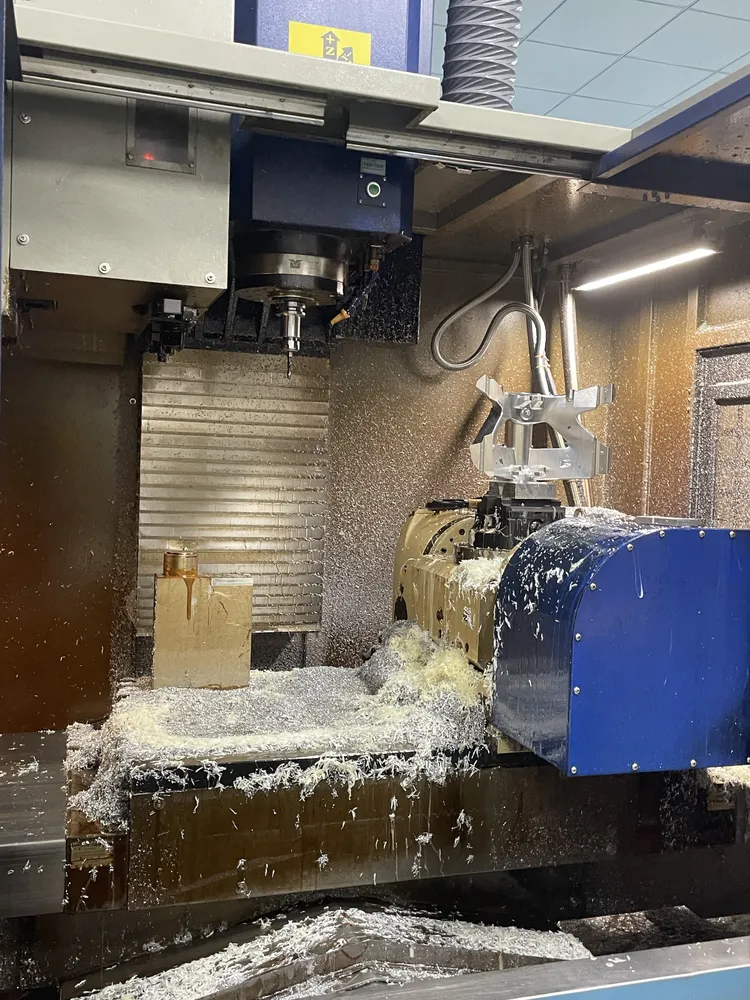
At our Shenzhen workshop, we run more than 100 high-performance machines, ranging from three-axis and five-axis CNC machining centers to professional 3D printers and precision wire EDM devices. Our skilled technicians can take a client’s CAD design file and turn it into a finished prototype in as little as 72 hours. We regularly handle orders for drone components, robot accessories and automation parts, and fast turnaround times help our clients stay ahead of competitors and stick to their planned launch schedules.
Validate Designs and Reduce Development Risks
It’s pretty common to spot design flaws after a digital draft is finished, and catching these issues early on can save companies huge sums of money down the line. When you only work with digital drawings, it’s hard to tell how a part will actually fit, function or hold up in real use. Physical prototypes let engineers run real-world tests and check every detail of a design.
By making multiple updated versions of a prototype, teams can fix dimension errors, assembly problems and material matching issues step by step. This practical testing process greatly lowers the chance of major mistakes during mass production, such as faulty tooling or defective finished goods. At Rapid-Model, we keep our production precision within ±0.005mm, and every prototype goes through full checks with coordinate measuring machines. We also provide complete inspection reports and material certifications for every order, a practice that has helped countless clients avoid costly reworks and unnecessary losses during development.
Enable Iterative Design and Flexibility
Product designs rarely stay the same from start to finish. Teams often need to adjust details based on test results, client feedback or updated market demands. The great thing about rapid prototyping is that it handles frequent design changes with ease, without the high costs that come with reworking traditional production tools.
There’s no strict minimum order requirement for trial samples, so clients are free to test out several different design versions as they like. Once a client updates their CAD files, our team in Shenzhen can produce revised prototypes in just a few days, which fits perfectly with agile development styles and ongoing design improvements. We also work with over 40 different materials, including aluminum, stainless steel, titanium, ABS, nylon and high-performance plastics like PEEK and PTFE. Using actual production-grade materials for samples means test results closely match the performance of final products.
Reduce Development Costs
Setting up custom molds and production tools for traditional manufacturing requires a large upfront investment, which never makes sense for the early stages of product development. Rapid prototyping removes this big expense entirely, bringing down the overall cost of research and development significantly.
Finding and fixing defects while a product is still in the prototype stage also means businesses won’t have to pay for expensive tool modifications or throw away large batches of flawed products later on. What’s more, modern CNC and 3D printing equipment makes better use of raw materials and cuts down on unnecessary labor work. As a direct manufacturer based in Shenzhen, we offer straightforward factory pricing. Our streamlined daily operations help clients save roughly 10% to 20% on time and labor costs, making professional prototyping accessible for both small startups and large established enterprises.
Enhance Communication and Collaboration
Miscommunication between designers, engineers, decision-makers and manufacturing partners is another common hurdle in product projects. A digital drawing can be interpreted in different ways, but a physical prototype lets everyone see, touch and test the product directly. It creates a clear shared reference for all team members and eliminates most misunderstandings during discussions.
Our team at Rapid-Model offers quick online technical support, with replies available within two hours, and clients can track the progress of their projects in real time. Our experienced engineers also share practical suggestions on design for manufacturability, helping clients optimize their designs to work better with formal production. This open and cooperative way of working ensures the final prototypes fully live up to client expectations.
Support Complex Geometries and Customization
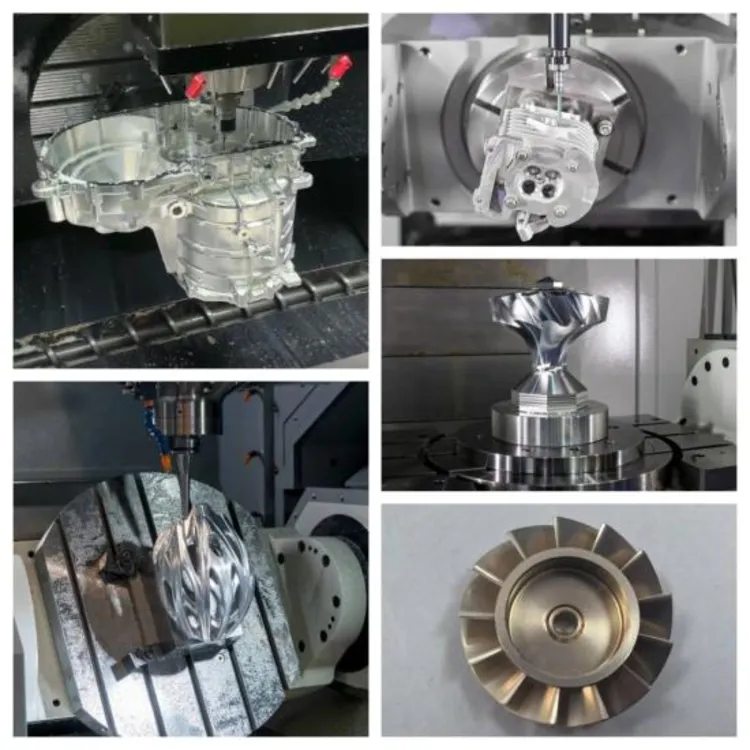
Many modern products feature intricate shapes and detailed structures that are extremely hard to make using conventional manufacturing techniques. Advanced rapid prototyping technologies like five-axis CNC machining and industrial 3D printing shine when it comes to complex shapes, fine details and fully customized parts.
Whether it’s lightweight structural parts for aerospace equipment, precision medical implants or uniquely shaped consumer goods, our five-axis machines deliver multi-angle precision, while 3D printing can create complicated internal structures in a short time. We have rich experience machining titanium and stainless steel, so we can produce high-performance prototypes to meet the strict standards of aerospace, medical and automation industries.
Facilitate Small-Batch Production and Market Testing
Rapid prototyping is not just for design checks. It also works wonderfully for small-batch production, which is ideal for trial sales, real market surveys and low-volume product launches. Traditional mass production only becomes cost-effective when ordering huge quantities, but rapid prototyping delivers consistent quality for small orders with no extra tooling fees.
Running a small batch of products lets brands collect real feedback from end users and polish the design before rolling out full-scale production, which greatly lowers the risks of a new product launch. Rapid-Model holds multiple industry certifications including ISO 9001:2015、 ISO 13485 and IATF 16949. Our certified factory in Shenzhen maintains stable quality for small-batch orders, so we have become a reliable partner for clients with small-scale production needs.
Conclusion
There is no doubt that rapid prototyping has completely changed how modern products get developed. It solves key challenges related to speed, budget, flexibility and precision all at once. From getting products to market faster and cutting down operational risks to supporting constant design tweaks and creating complex custom parts, it has become an indispensable tool for innovative manufacturers worldwide.
As an experienced rapid prototyping factory based in Shenzhen, Rapid-Model combines years of industry experience, top-tier production equipment and rigorous quality management to deliver dependable services to clients across the globe. We always focus on precision, fast delivery and genuine customer service, which is why so many partners choose us for their prototyping needs.
No matter what kind of products you are developing, whether it is consumer goods, medical devices, aerospace parts or automation components, working with Rapid-Model for rapid prototyping will turn your design ideas into tangible products efficiently, accurately and affordably.