| Process Parameter | Technical Capability |
|---|---|
| Maximum Build Volume | SLA: 800 x 800 x 500 mm; FDM: 1000 x 1000 x 1000 mm |
| Standard Layer Thickness | High-Res: 0.025 mm – 0.05 mm; Functional: 0.1 mm – 0.2 mm |
| Dimensional Tolerance | ±0.1 mm or ±0.1% (Standard); Precision: Up to ±0.05 mm |
| Material Selection | Engineering Plastics (PA12, ABS, PC), Resins, and Metal Alloys |
| Surface Finish (As-Printed) | SLA: Ra 1.6–3.2 μm; SLS/FDM: Industrial matte/bead-blast finish |
| Quality Assurance | First Article Inspection (FAI), Digital Caliper & CMM Verification |
Comprehensive & Professional 3D
Printing Services
We offer professional 3D printing services, providing high-precision, reliable, and scalable additive manufacturing solutions tailored to your specific project needs. Request a quote online, and we will respond within 2 hours.
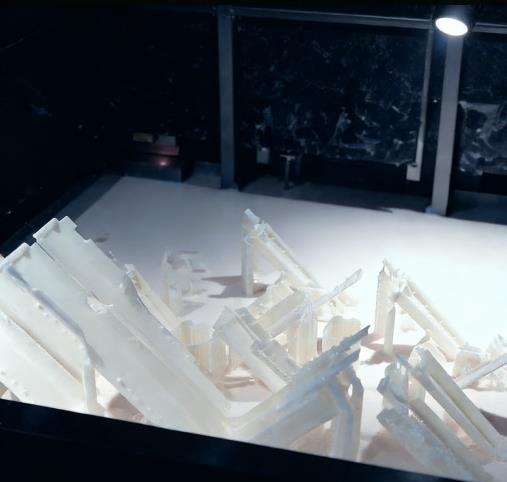
ISO 9001
Quality Certified
5-10 Day
Typical Lead Time
No Minimum
Order Quantity (MOQ)
24hr
Rapid Quoting
Core Manufacturing Capabilities
End-to-End 3D Printing Solutions
Rapid Model delivers professional 3D printing services, offering a seamless transition from functional prototyping to end-use part production.
High Costs for Basic Jigs?
Traditional machining for internal shop tools and simple brackets often carries unnecessary overhead and long lead times.
Industrial FDM Solutions
Utilizing high-stability Fused Deposition Modeling for cost-effective, durable components.
- Standard & Engineering plastics (ABS, PC, Nylon)
- Rapid fit-and-form structural verification
- Optimized infill for strength-to-weight ratio
Rough Surface Finishes?
Layer lines and grainy textures on visual prototypes can compromise design reviews and user testing results.
SLA & DLP High-Res Resin
Achieving injection-mold-like smoothness and micron-level detail for intricate designs.
- Smooth 25-50 micron layer heights
- Ideal for dental, jewelry, and electronics
- Transparent and high-temp resin options
Support Structure Artifacts?
Manual support removal often leaves scars on complex geometries, limiting design freedom and increasing post-processing labor.
SLS (Nylon) Sintering
Self-supporting powder bed technology for complex, functional parts without geometric constraints.
- High-strength Nylon (PA12) materials
- Batch production of end-use parts
- Isotropic mechanical properties
Conventional Metal Limitations?
Complex internal cooling channels and lightweight lattices are often impossible or too expensive to produce via CNC.
✓ Metal 3D Printing
Professional SLM/DMLS for high-performance aerospace, medical, and automotive applications.
- Stainless Steel, Aluminum, and Titanium
- Fully dense, high-strength metal parts
- Post-process heat treatment & CNC finishing
Dimensional Inaccuracy?
Generic printing services often suffer from thermal warping, leading to parts that don't fit during final assembly.
High Quality Standards
Rigorous inspection protocols to ensure every batch meets specified tolerance requirements.
- Digital caliper & CMM verification
- Material batch traceability
- Strict adherence to ±0.1mm - 0.2mm tolerances
IP Leakage Risks?
Uploading proprietary CAD files to unverified platforms raises concerns regarding design theft and data security.
✓ Protected by NDA
Enterprise-grade data handling and legal safeguards to protect your intellectual property.
- Enforceable NDA agreements
- Encrypted file transfer and storage
- In-house Production, Confidentiality Guaranteed
Exhibition Of 3D Printing
3D Printing for Enclosures
Rapid Model delivers high-performance prototypes and production-grade parts through advanced additive manufacturing, significantly reducing production lead times.
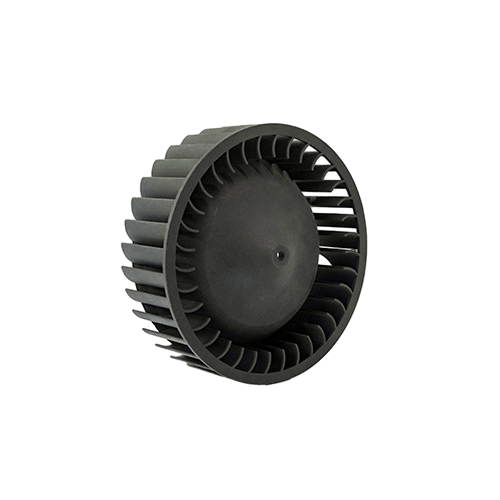
Centrifugal Fan Impeller
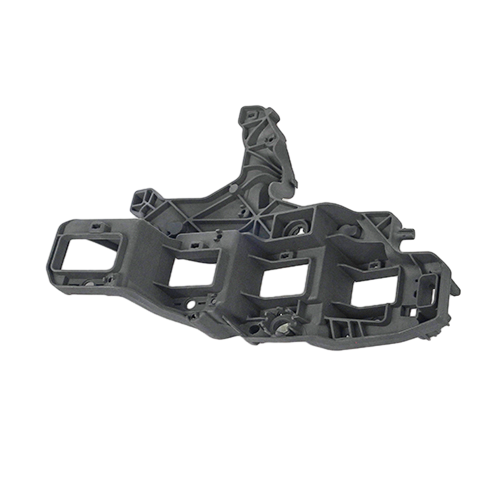
Automotive Bracket
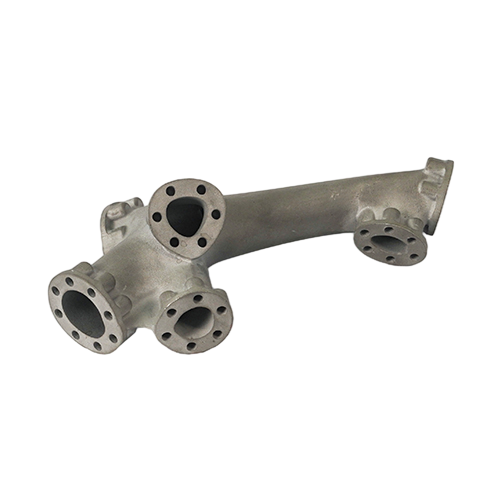
Industrial Manifold
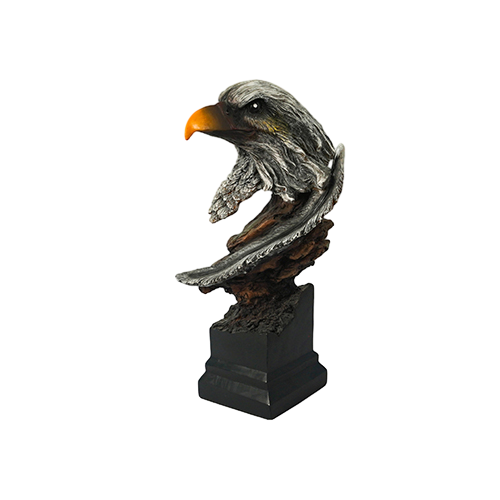
Detailed Eagle Sculpture
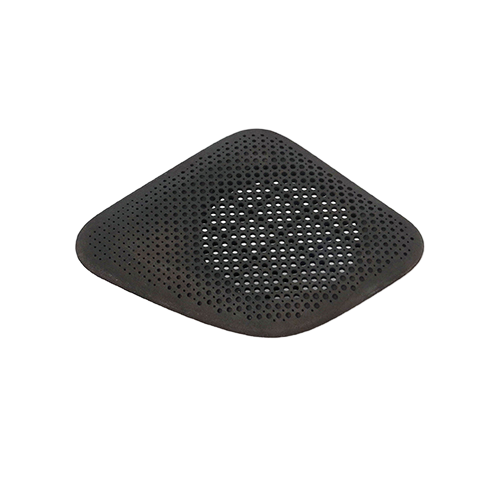
Perforated Filter
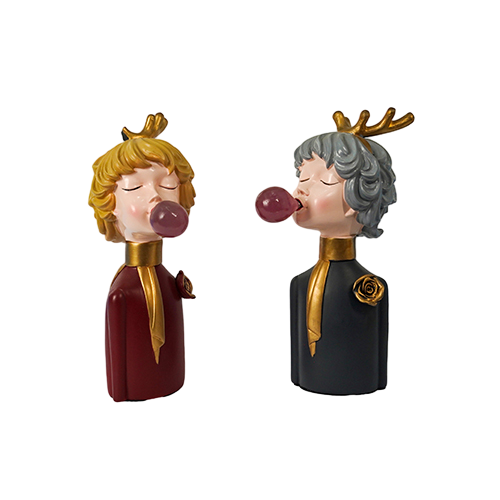
Custom Artistic Figures
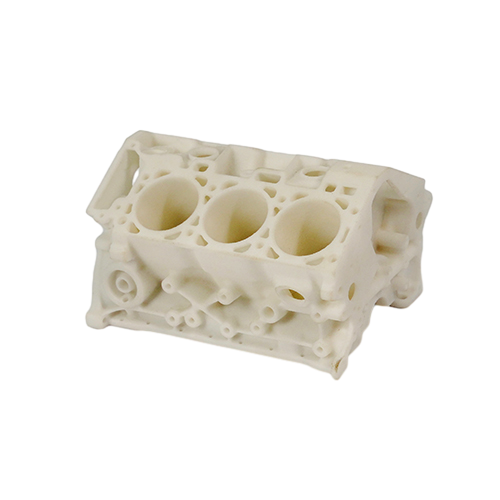
Engine Block Prototype
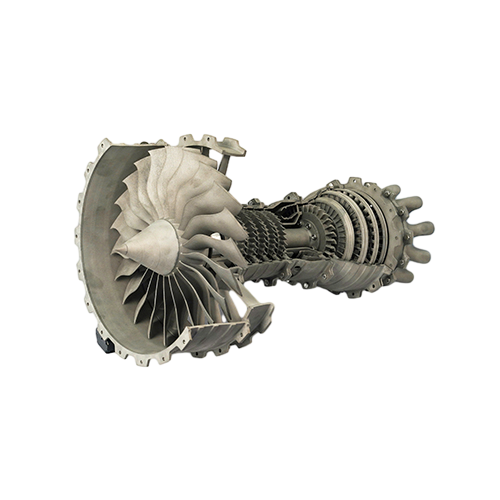
Jet Engine Turbine Model
Additive Manufacturing Materials
Industrial-Grade 3D Printing Materials
Our material portfolio covers high-performance polymers, resins, and metallic alloys, selected to meet specific engineering requirements for strength, detail, and durability.
Engineering Thermoplastics
Standard and high-temp filaments for functional mechanical parts, providing reliable impact resistance and dimensional stability.
PLA / ABS / PETG
Nylon (PA)
Polycarbonate (PC)
Precision Photo-Resins
Liquid resins optimized for high-resolution surface finishes and intricate internal geometries where visual clarity or fine detail is critical.
Standard Rigid
Tough & Durable
High-Temperature Resin
Sintered Polyamide Powders
Nylon powders for powder bed fusion, delivering isotropic mechanical properties and heat resistance for end-use production parts.
PA12 Nylon
Glass-Filled Nylon
TPU (Flexible)
High-Performance Alloys
Spherical metal powders sintered into fully dense components for aerospace, medical, and high-stress industrial applications.
Stainless Steel 316L
Aluminum (AlSi10Mg)
Titanium (Ti6Al4V)
Reinforced Composites
Advanced filaments and powders reinforced with carbon fiber or fiberglass for high strength-to-weight ratio requirements.
Carbon Fiber Infill
ESD-Safe Materials
Flame Retardant (UL94-V0)
Material Surface Finishing
Secondary processes to enhance the physical properties and aesthetic appearance of 3D printed components.
Vapor Smoothing
Media Blasting
UV Coating
Additive Manufacturing Case Studies
End-use part production with 3D printing.
- Medical Devices
- Automotive & Racing
- Industrial Tooling
- Consumer Electronics
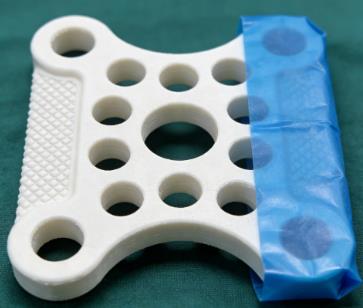
Precision Healthcare
Patient-Specific Surgical Drill Guides
Project Focus: High Detail Accuracy & Autoclave Compatibility
TECHNOLOGY
SLA (Stereolithography)
MATERIAL
Bio-compatible Rigid Resin
ACCURACY
±0.05mm Deviation
The Engineering Challenge
A medical device startup needed 50 sets of custom drill guides based on patient CT scans. The parts required a smooth surface for sterilization and enough rigidity to withstand high-speed drilling without vibrating or cracking.
- Complex internal channels for irrigation.
- Material must not leach chemicals during short-term skin contact.
- Tight lead time of 72 hours for pre-surgery approval.
Our Solution
We utilized industrial SLA machines with a 0.05mm layer height. Parts were post-cured in a UV-thermal chamber to ensure full material polymerization and mechanical stability.
- Orientation: Optimized to keep critical holes support-free.
- Finishing: Manual IPA washing and micro-bead blasting.
- QC: 100% inspection against the original STL mesh data.
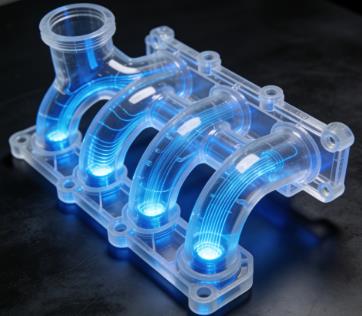
Automotive / R&D
Functional Air Intake Manifold Prototype
Focus: Heat Resistance & Air-Tight Integrity
TECHNOLOGY
SLS (Selective Laser Sintering)
MATERIAL
Nylon PA12 + 30% Glass Filled
TEMP LIMIT
Up to 160°C
Technical Challenge
An EV racing team required a lightweight intake manifold for track testing. FDM parts failed due to layer delamination under pressure. The part needed to be air-tight and withstand the high temperatures of the engine bay.
- Complex organic curves that are impossible to machine.
- Requirement for integrated sensor mounting threads.
- Isotropic strength needed to handle internal air pressure.
Technical Execution
We selected SLS Nylon with Glass Fiber reinforcement for superior stiffness. SLS technology eliminates the need for supports, allowing us to maintain a perfectly clean internal airflow path.
- DFM: Added internal ribs to prevent wall bulging under pressure.
- Post-Process: Media blasting to remove excess powder and vapor smoothing for airflow efficiency.
- Testing: Pressure tested at 2.0 Bar to ensure zero leakage.
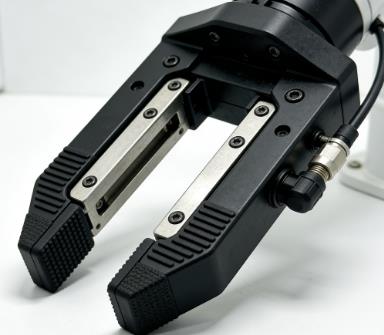
Factory Automation
Custom EOAT (End-of-Arm Tooling) Grippers
Focus: Weight Reduction & Rapid Deployment
TECHNOLOGY
FDM / Carbon Fiber Reinforcement
MATERIAL
Nylon CF (Carbon Fiber Filled)
PAYLOAD GAIN
+40% Effective Capacity
Engineering Challenge
An electronics assembly line needed a custom gripper to handle fragile circuit boards. The original aluminum gripper was too heavy, slowing down the robot's cycle time and exceeding the motor's torque limits during high-speed movements.
- Need for non-marring surfaces to protect delicate components.
- Integrated air channels for vacuum suction required inside the part.
- Standard CNC lead times were 2 weeks; the line was down.
Our Solution
We printed the gripper using Nylon reinforced with Continuous Carbon Fiber. This provided the stiffness of aluminum at a fraction of the weight. Internal vacuum paths were printed as a single, leak-proof unit.
- Design: Topology optimization to remove excess material.
- Integration: Direct installation of brass threaded inserts during post-processing.
- Speed: From CAD file to on-site installation in 36 hours.

Consumer Electronics
High-Fidelity TWS Earbud Prototypes
Focus: Aesthetic Finish & Precise Assembly Fit
TECHNOLOGY
High-Resolution DLP
FINISH
Paint-Ready / Smooth Finish
WALL THICKNESS
Min. 0.6mm
Technical Challenge
A top-tier audio brand required 20 sets of functional earbud housings for user ergonomic testing. The parts needed to snap-fit together perfectly, accommodate internal PCBs, and look exactly like the final injection-molded product.
- Extremely tight tolerances (±0.03mm) for battery contact alignment.
- Thin-wall structures that must not warp during printing.
- Paint adhesion requirements for high-gloss metallic coatings.
Precision Engineering
We utilized industrial DLP machines for their superior XY resolution. By using a specialized "Tough Resin," we ensured the snap-fit clips would not snap during repeated opening and closing of the housing.
- Layering: 25-micron layers to eliminate all visible stair-stepping.
- Post-Processing: Ultrasonic cleaning and light hand-polishing for a Class-A surface.
- Validation: Mechanical testing of the hinge and snap-lock features.
Technical Specifications
3D Printing & Additive Capabilities
Our factory utilizes industrial-grade SLA, SLS, and FDM systems to produce high-precision parts, ensuring consistent and repeatable mechanical performance across all batches.
Efficient Collaboration Process
Partner with Rapid Model
Our streamlined and efficient workflow eliminates unnecessary time costs and enables your project to move forward quickly and smoothly.
01
Quote & DFM
Upload STP/DXF files for instant pricing and manufacturability analysis.
02
Design Optimization
Our engineers refine the design for cost-efficiency and production speed.
03
Precision Fabrication
Advanced equipment and process optimization.
04
Quality Validation
CMM verification and ISO 9001 standardized inspection protocols.
05
Finish & Delivery
Final surface finishing, assembly, and global logistical dispatch.
Source High-Quality 3D Printed Parts
As a professional 3D printed parts supplier since 2009, we have successfully obtained four ISO certifications. We are dedicated to providing our clients with high-quality, Precision 3D printed Components.
-
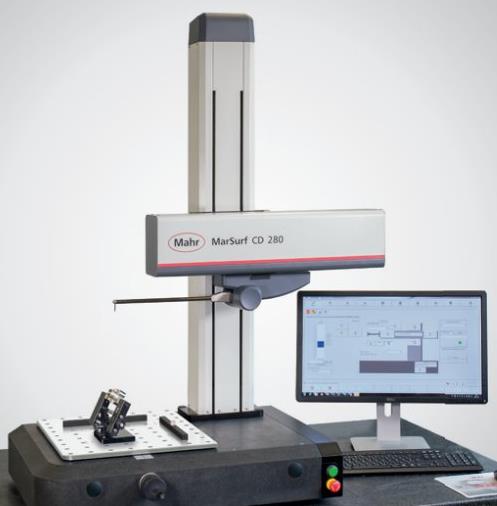
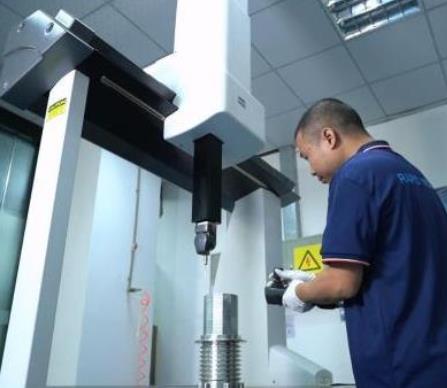
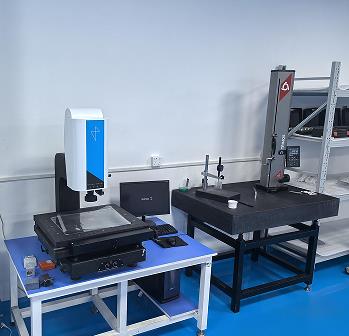
Inspection EquipmentCMM (Coordinate Measuring Machine), Contour Measuring System, Digital Height Gauge.
-
ReportsWe clearly commit to providing Full Inspection Report (FAI) and Material Certification (MTR).
-
CertificationsOur facility is ISO 9001, ISO 13485, ISO 14001, and IATF 16949 certified.
-
DFM Support (Design for Manufacturability)We are more than a contract manufacturer—we are your engineering partner.
Free DFM Feedback on Every Quote. We assist you in optimizing designs and reducing costs.
Our Facility
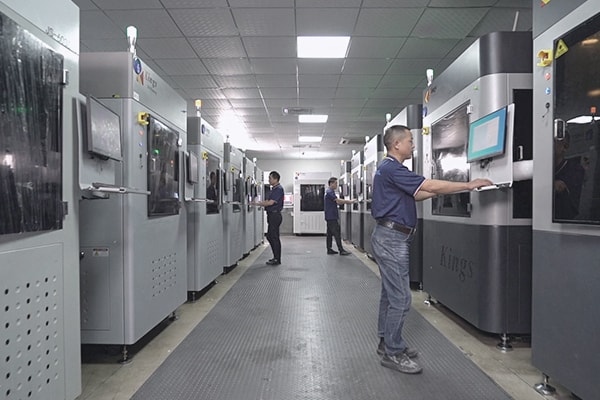
Industrial 3D Printing Facility
We provide professional additive manufacturing services, bridging the gap from rapid functional prototypes to complex production-ready components—with batch delivery in just 5–10 working days.
3D Printing Workshop
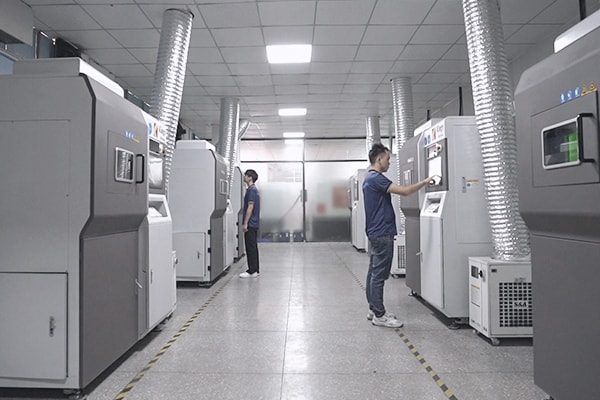
Our 3D Printing Factory
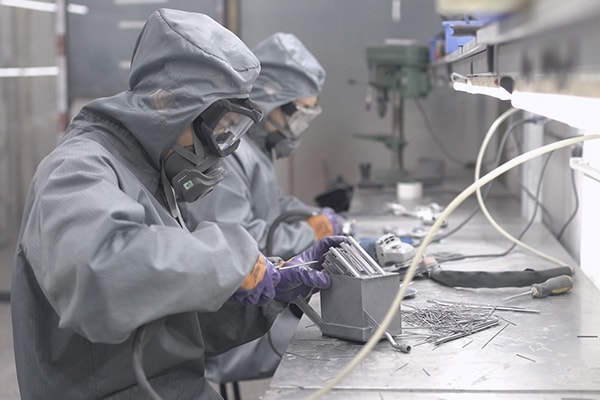
Inspection And Assembly Team

Our 3D Printing Staff
FAQ
Addressing Your Concerns
-
What is 3D printing and how does it work?
3D printing, also known as additive manufacturing, builds objects layer by layer from digital 3D models. It uses materials like plastics, resins, and metals to create complex geometries that traditional manufacturing struggles to achieve.
-
What industries benefit the most from 3D printing?
Industries such as aerospace, automotive, medical, consumer goods, and prototyping heavily rely on 3D printing for rapid prototyping, custom parts, tooling, and small-batch production.
-
What materials can be used in 3D printing?
Common materials include PLA, ABS, nylon, resin, stainless steel, titanium, and aluminum. Material choice depends on the application’s strength, flexibility, and thermal requirements.
-
How accurate and precise are 3D printed parts?
Accuracy depends on the printing technology and material but typically ranges from ±0.1 mm to ±0.3 mm. High-end industrial printers can achieve even tighter tolerances for precision parts.
-
What about your pricing and costs?
Our pricing is competitive and transparent, tailored to each project’s complexity, material choice, and volume. We offer fast, accurate quotes with no hidden fees, ensuring cost-effective solutions whether you need prototypes or small to medium production runs..
-
Can you handle custom project requirements?
Yes, we specialize in customized manufacturing solutions tailored to your specific technical and business needs. Our engineers work closely with clients to optimize designs and processes.
-
Do you provide design support or engineering consultation?
Absolutely. Our engineering team offers design for manufacturability (DFM) advice, material selection guidance, and process optimization to help reduce costs and improve part performance.