Medical CNC Machining: Precision Manufacturing in the Medical Industry
What is Medical CNC Machining?
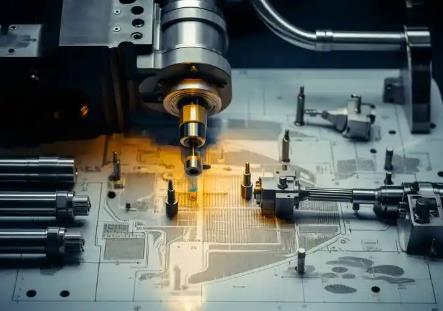
Medical CNC machining refers to the use of computer numerical control technology to produce precision parts for medical devices, implants, diagnostic equipment, and more. Given the unique requirements of the medical field, there is a very high demand for precision and safety in medical components. CNC machines automate the process of machining materials, enabling the production of complex geometries at micron-level precision, ensuring that medical equipment meets strict quality and performance standards during use.
Differences with Traditional Machining Methods
Compared to traditional machining methods (such as manual operations or conventional machine tool processing), CNC machining offers greater precision and machining capacity. Traditional methods often rely on the operator's experience and skills, whereas CNC machining controls each cutting action through preset programs, reducing human error and ensuring consistent machining accuracy.
Common CNC Machining Processes in the Medical Field
1. CNC Milling
CNC milling is a common subtractive process used to cut parts with rotating tools. In the medical field, it is widely applied to manufacture medical components with complex shapes, especially those requiring fine structures and surface finishes. For example, in the production of orthopedic implants like bone screws, CNC milling efficiently and accurately produces threads, slots, and complex geometries. Surgical tools like scissors and forceps are also commonly made using CNC milling to ensure sharpness and stability.
2. CNC Turning
CNC turning is commonly used for producing shaft-like components, where the process allows precise control over the cutting path and speed to achieve high-precision shapes and sizes. In the medical field, CNC turning is used to produce the columnar parts of implants, such as the core parts of artificial joints or precision connectors. These components require high wear resistance and biocompatibility to ensure the long-term stability of the implant and patient safety.
3. Multi-Axis Machining
Multi-axis machining allows movement in multiple directions simultaneously, enabling the machine to perform complex tasks in a single operation. For medical components, such as customized joints or dental implants, this process provides higher machining precision and efficiency. Multi-axis machining is especially suitable for parts that require cutting in multiple directions, such as complex orthopedic implants or precision dental repair components.
4. Micromachining
Micromachining technology allows machining at the micron scale and is key for small, high-precision medical devices. For components like endoscope parts, micro-sensors, and drug delivery systems, micromachining ensures that parts meet strict size and surface quality requirements, preventing any tiny errors from impacting functionality.
5. Swiss-Type Turning
Swiss-type turning is ideal for machining long, high-precision parts. Medical industry components like bone pins and catheter connectors, which are long, thin parts, often require consistent precision during high-volume production. Swiss lathes offer efficient machining solutions, quickly producing these parts while ensuring that each part’s accuracy, surface finish, and strength meet medical standards.
Materials for Medical CNC Machining
1. Titanium and Titanium Alloys
Titanium alloys are widely used in orthopedic and dental implants due to their excellent biocompatibility, corrosion resistance, and good mechanical properties. They are less likely to cause body rejection reactions and are suitable for producing artificial joints, bone screws, dental implants, etc.
2. Stainless Steel
Stainless steel is used for producing various surgical instruments and non-permanent implants, such as surgical knives, hemostats, etc., because it has high strength, is corrosion-resistant, and is relatively inexpensive.
3. Cobalt-Chromium Alloys
Cobalt-chromium alloys are ideal for joint prostheses due to their wear resistance and corrosion resistance, especially in parts that need to withstand long-term loads and wear, such as knee and hip joint implants.
4. Shape Memory Alloys
Shape memory alloys can return to their pre-programmed shape when subjected to temperature changes and are commonly used to produce vascular stents, catheters, and other medical devices, ensuring stability and functionality within the patient’s body.
Key Medical Components and CNC Machining Applications
- Orthopedic Implants
- Artificial Hip and Knee Joints
- Spinal Fusion Devices and Bone Plates, Screws
- Trauma Repair Devices
- Surgical Instruments and Tools
- Endoscope Surgical Instruments
- Bone Drills, Saw Blades, and Retractors
- Dental Equipment and Restoration
- Dental Implants and Abutments
- Dental Frameworks and Crowns
- Orthodontic Components
- Cardiovascular Equipment
- Pacemaker Housings
Medical CNC Machining Services
At Rapid Model, we offer tailored CNC machining solutions to meet the specific needs of clients in the medical field. Whether you require specialized medical instruments or customized implants, our team works closely with you to deliver the perfect solution that meets your requirements. We have advanced equipment, combined with deep expertise, enabling us to produce components that adhere to the highest standards in the medical industry.