What Is CNC Machining?
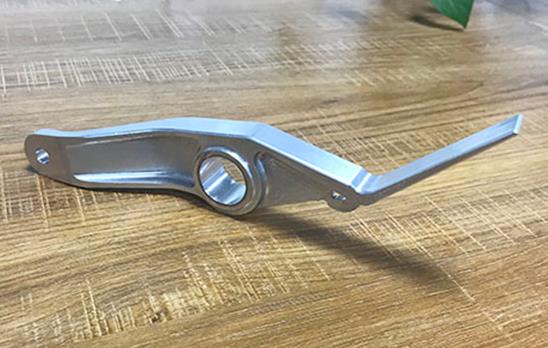
CNC, also known as Computer Numerical Control machining, refers to the process of machining using numerically controlled tools. Because CNC machining is programmed and controlled by a computer, it offers advantages such as stable machining quality, high precision, excellent repeatability, the ability to machine complex surfaces, and high efficiency. In actual production, human factors and operator experience can significantly influence the final machining quality. Below are twelve valuable lessons summarized by a veteran with ten years of CNC machining experience.
1. How to Divide CNC Machining Processes
The division of CNC machining processes can generally be done in the following ways:
-
Tool-based process grouping
This method divides processes according to the tools used. The same tool is used to machine all parts of a component that can be completed with it. Then, the second and third tools are used for other parts accordingly. This approach minimizes tool changes, reduces idle time, and decreases unnecessary positioning errors. -
Process grouping by machining area
For parts with many machining operations, the machining sections can be divided according to structural features—such as internal shapes, external shapes, curved surfaces, or flat surfaces. Usually, planes and reference surfaces are machined first, followed by holes; simple geometric shapes are processed before complex ones; and areas requiring lower precision are completed before high-precision sections. -
Rough and finish machining separation
For parts prone to deformation during machining, deformation may occur after roughing, requiring reshaping before finishing. Therefore, roughing and finishing operations should generally be performed separately.
In summary, the division of machining processes should consider the part structure, process requirements, machine tool capabilities, number of machining operations, installation frequency, and the organization of production. Whether to adopt a process concentration or process dispersion principle should be determined based on the actual situation—but always aim for rationality and efficiency.
2. What Principles Should Be Followed in Arranging CNC Machining Sequences?
The machining sequence should be determined based on the structure of the part, the condition of the blank, and the requirements for positioning and clamping. The key is to ensure the rigidity of the workpiece is not compromised. The general principles are as follows:
- The previous machining operation should not affect the positioning and clamping of the next one. If conventional machining operations are interspersed between CNC processes, these must be considered together.
- Perform internal shape and cavity machining first, followed by external shape machining.
- Operations using the same positioning or clamping method, or performed with the same cutting tool, should be carried out consecutively to reduce repeated positioning, tool changes, and fixture adjustments.
- When multiple operations are performed in one setup, operations that cause less deformation or stress on the workpiece should be arranged first.
3. What Should Be Considered When Determining the Workpiece Clamping Method?
When determining the reference points and clamping scheme, attention should be paid to the following points:
- Strive to unify the design, process, and programming reference points.
- Minimize the number of setups and, whenever possible, complete all machining surfaces in a single positioning.
- Avoid manual adjustment methods that require occupying the machine tool.
- The fixture must be open and accessible; its positioning and clamping mechanisms should not interfere with tool paths during machining (to avoid collisions). In such cases, vices or base plates with countersunk screws can be used for clamping.
CNC Maintenance: What Aspects Should Be Considered?
What aspects should be considered for CNC maintenance? Timely lubrication and cleaning of CNC lathes are crucial. For medium and large machinery, without good lubrication during operation, serious damage can occur and drive power consumption can increase significantly. Cleaning is also an essential step — if a CNC lathe accumulates a large amount of dust, it can cause the machine to stick or pause during operation, wasting time and even damaging the control boards and electrical systems. It is necessary to recognize the importance of these areas so that many practical problems and concerns can be resolved, accelerating the factory’s production chain and processes to meet market demand.
Which manufacturer should you choose?
Paying attention to regular maintenance allows your equipment to deliver better performance and provides a healthier working environment. A professional CNC service center will have a trained maintenance team that performs scheduled inspections after periods of use to understand the machine’s working patterns, training gaps, and shortcomings. Only with a competent inspection team can many problems be avoided. Based on customer requirements, corresponding optimizations and developments should be carried out. Understanding proper daily machine care enables steadier development and design, which in turn supports smoother cooperation. Regular maintenance can also prevent more serious failures and ensure stable operation, enabling rapid production of precision components.
For mechanical equipment, attention should be paid not only to correct operating procedures but especially to routine maintenance and care. After a period of use, if maintenance is neglected, the equipment will encounter many problems and safety risks. Extending the overall service life of equipment requires correct maintenance methods. CNC machining emphasizes daily upkeep: promptly maintain CNC cutting tools and check whether the control systems are running correctly to prevent system glitches that could cause substantial property loss.
Our Services
- Precision CNC Turning (lathe services)
- CNC Milling (3-axis, 3+2, and full 5-axis machining)
- CNC Turning & Milling (combined / live tooling)
- Sheet Metal Fabrication
- Rapid Prototyping & Small-Batch Production
- Batch & Mass Production for Precision Metal Parts
- Surface treatments and post-processing (grinding, polishing, anodizing, etc.)
- Customized fixture & tooling design and maintenance support
For inquiries and quotes, visit www.rapid-model.com.