How to Choose Custom CNC Machining Services?
The sales manager at Rapid Model. Every week, who talk to American engineers, procurement pros, and startup founders who need custom machined parts. And here’s what noticed: most of them go about choosing a supplier the wrong way.
They chase the lowest price. They ignore lead time red flags. Or they assume every CNC shop is basically the same.
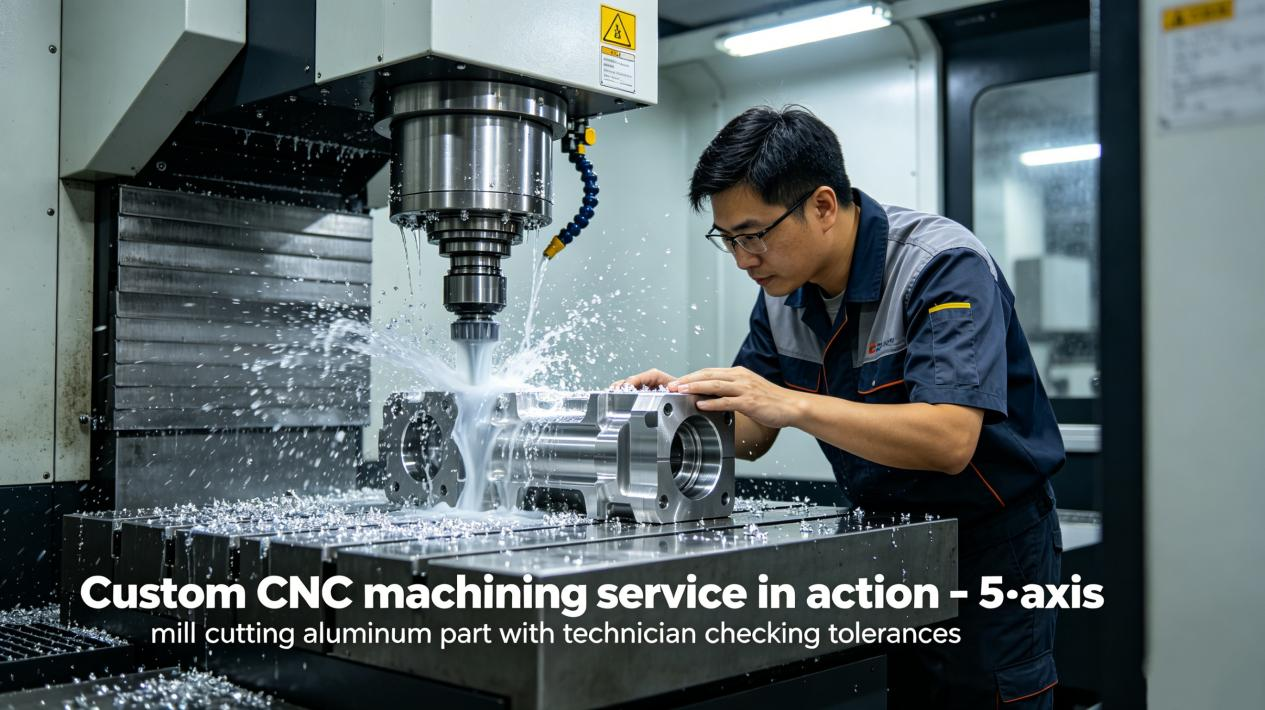 After delivering over 5,000 projects and helping clients across automotive, medical, aerospace, and consumer goods industries, Rapid Model learned exactly what separates a reliable CNC machining partner from one that will cost you time, money, and headaches. Here’s my practical checklist—no fluff, just what actually works.
1. Look Beyond the Machine List
Any shop can post photos of shiny 5axis equipment. What matters is capacity, capability, and control.
At Rapid Model, we run over 100 CNC machines, including 3, 4, and 5axis mills and turning centers with live tooling. But the real question isn’t how many spindles a shop has—it’s whether they can actually handle your project without bottlenecking. A shop with thirty machines and a solid workflow will beat a shop with three machines and a good website every time.
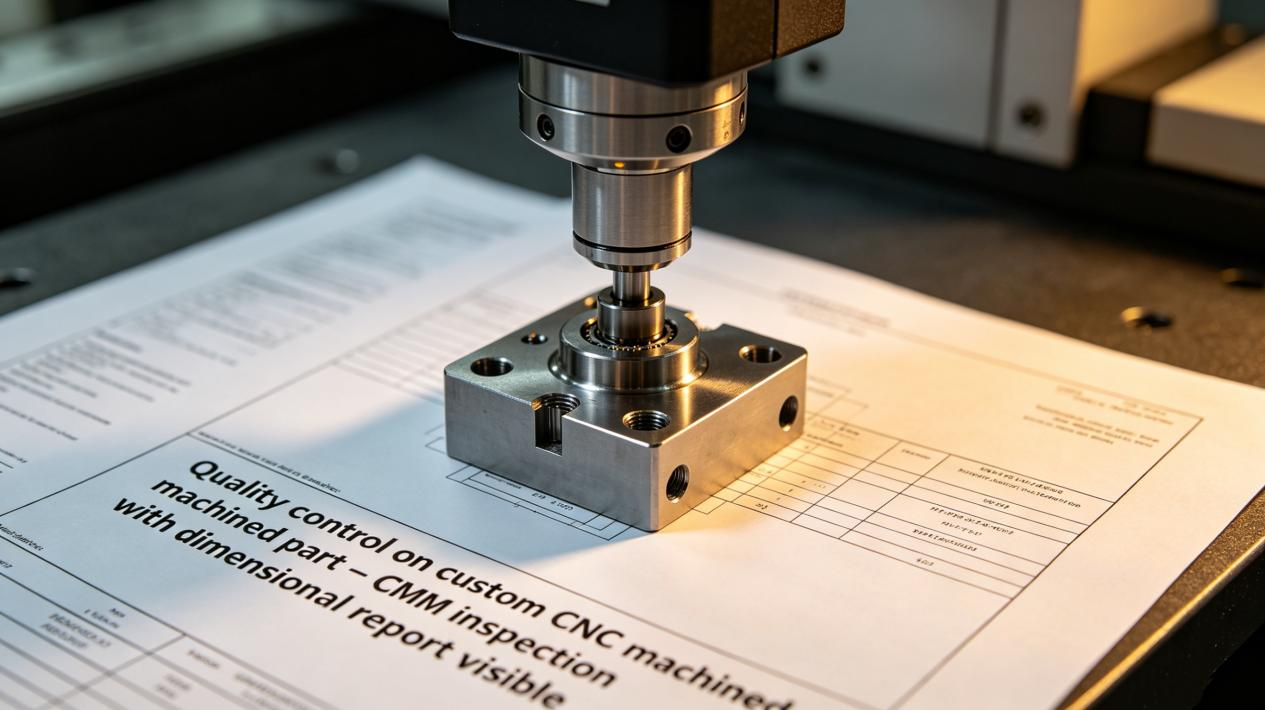
Also ask about in-house inspection equipment: CMM, optical comparators, surface roughness testers. If a shop outsources quality control, expect delays. We keep everything under one roof for a reason—control and speed.
2. Certifications Are a Starting Point, Not the Finish Line
“ISO certified” is nice. But certification without documentation is just paper.
We maintain four key certifications: ISO 9001. That means our quality systems are audited for automotive, medical device, and general manufacturing standards. If your project requires PPAPlevel documentation or simply consistent repeatability, those certifications tell you we’ve already built the right processes.
When evaluating a shop, ask: What happens when a part is out of tolerance? Do you remake it for free? Can you provide material traceability (MTRs)? A serious shop answers these without hesitation. A bad one will say “trust us” and change the subject.
3. Quality Control Happens During Machining—Not Just at the End
This is where many shops cut corners. They inspect only the final piece and hope everything before it was fine.
We take a different approach. Our quality inspectors perform hourly sampling inspections on all parts in process, catching tolerance drift before it becomes scrap. And when you need documentation, we provide complete inspection reports—First Article Inspection (FAI), full dimensional reports including critical dimensions and surface finish, plus material certs on request.
Ask any shop you’re evaluating: Do you do inprocess checks? How often? The answer will tell you whether they care about quality or just about shipping parts.
4. Communication Is a Feature, Not a Bonus
Here’s something I’ve learned the hard way: the way a shop communicates before you order is exactly how they’ll communicate after you order.
Test them. Do they assign a real person to your account—not an info@ black hole? Do they reply to quotes quickly? We offer 2hour rapid response to all inquiries. Do they provide Design for Manufacturing (DFM) feedback before cutting metal? Our engineering team proactively flags issues like thin walls, deep pockets, or overtoleranced features and suggests alternatives to hit your spec without overengineering the cost.
If the conversation feels hard before you place an order, it’ll be a nightmare after.
 5. Stop Chasing the Lowest Quote
I lose bids to cheaper shops all the time. And three months later, those same customers come back.
Why? Because the lowest bid often means: slower shipping, no edge deburring (sharp corners cut gloves—and fingers), no inspection report (you find the problem during assembly), and vague communication (good luck getting an update).
Instead of asking “what’s your price per part?” ask for a total cost breakdown: machining time, setup, tooling, inspection, packaging, shipping. Compare apples to apples. We’re transparent about this because we know the slightly higher quote is often cheaper when you factor in the headaches you avoid.
6. Run a Test Part Before You Commit
This is the smartest move I see from experienced buyers.
Send the same simple drawing to two or three shops. Ask each one to quote and produce that one part. Then compare:
Quality – Do threads fit? Are holes in tolerance? We hold
Precision, ±0.005mm, but not every shop can.
Lead time – Did they deliver when promised?
Communication – Did they update you along the way?
The shop that wins the test part almost always wins the longterm relationship. It’s a small investment that saves huge headaches later.
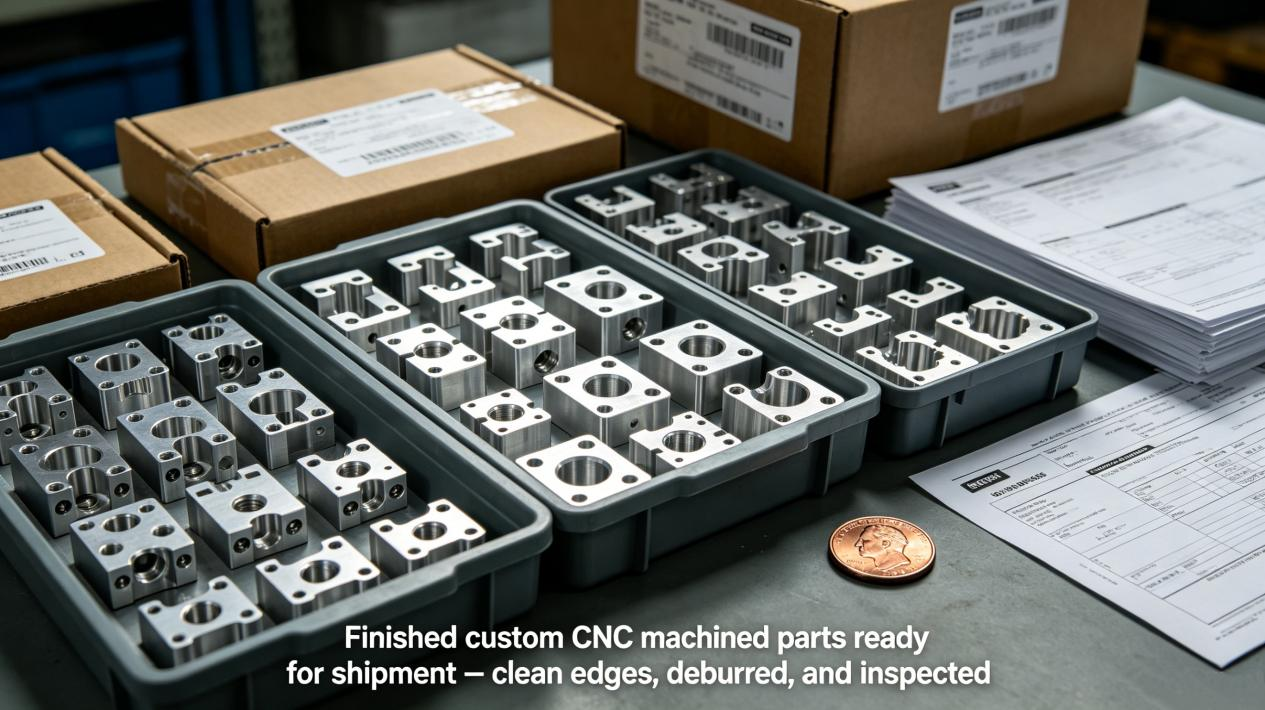 Choosing a custom CNC machining service isn’t about finding the biggest shop or the cheapest quote. It’s about finding a reliable partner with real experience, real certifications, and a real commitment to quality and communication.
At Rapid Model, we don’t claim to be perfect for everyone. But for customers who need tight tolerances, fast turnaround (1–3 days for rapid prototypes), and ISOcertified quality from a partner with 15+ years of experience and a 98% ontime delivery track record—we deliver.
Got a test part in mind? Send me the drawing. No obligation. You’ll see exactly how we work.
Ready to get started?