Alloy-steel-vs-stainless-steel-exploring-the-differences?
Choosing the right metal material is one of the most important decisions in product development and precision manufacturing. A material that works well for one application may not be suitable for another, even if both materials appear similar.
Among the many engineering metals available today, alloy steel and stainless steel are two commonly selected materials for CNC machining, industrial equipment, automotive components, aerospace parts, and mechanical assemblies.
At first glance, alloy steel and stainless steel may seem very similar because both are steel-based materials containing additional alloying elements. However, their chemical composition, performance characteristics, machining behavior, and application areas are quite different.
For engineers and purchasing teams, understanding the difference between alloy steel and stainless steel helps achieve the right balance between strength, durability, corrosion resistance, and manufacturing cost.
As a professional CNC machining manufacturer in Shenzhen, Rapid Model provides custom precision machining solutions for various metals, including alloy steel, stainless steel, aluminum alloys, titanium alloys, and other engineering materials. With experience from prototype development to production manufacturing, Rapid Model helps customers select suitable materials based on actual application requirements.
What Is Alloy Steel?
Alloy steel refers to steel that contains additional alloying elements besides iron and carbon. These elements are added intentionally to improve specific properties such as strength, toughness, hardness, wear resistance, and heat resistance.
Common alloying elements include chromium, nickel, molybdenum, manganese, silicon, and vanadium. By adjusting the percentage of these elements, manufacturers can develop different alloy steel grades with specific mechanical advantages.
Popular alloy steel grades include:
4140 alloy steel
4340 alloy steel
8620 alloy steel
4130 alloy steel
Compared with standard carbon steel, alloy steel generally provides improved mechanical performance. It is widely used for components that experience heavy loads, impact forces, or continuous mechanical stress.
Typical applications include gears, shafts, automotive components, molds, machine parts, and aerospace structures.
One of the main reasons engineers choose alloy steel is its excellent strength-to-cost ratio. For applications where mechanical performance is the priority, alloy steel can provide outstanding durability without significantly increasing material cost.
What Is Stainless Steel?
Stainless steel is a steel alloy mainly known for its excellent corrosion resistance. The key difference between stainless steel and conventional steel is the presence of chromium, usually at least 10.5 percent.
Chromium reacts with oxygen to create a thin protective oxide layer on the surface of the material. This passive layer helps prevent rust formation and allows stainless steel to perform well in humid, chemical, and demanding environments.
Common stainless steel grades include:
304 stainless steel
316 stainless steel
303 stainless steel
17-4 PH stainless steel
410 stainless steel
Different stainless steel grades are designed for different applications. For example, 304 stainless steel is widely used because of its good corrosion resistance and general mechanical performance. 316 stainless steel contains molybdenum, providing better resistance against chloride and marine environments.
Because of these advantages, stainless steel is commonly used in:
Medical equipment
Food processing machinery
Chemical processing systems
Marine components
Architectural products
Precision industrial parts
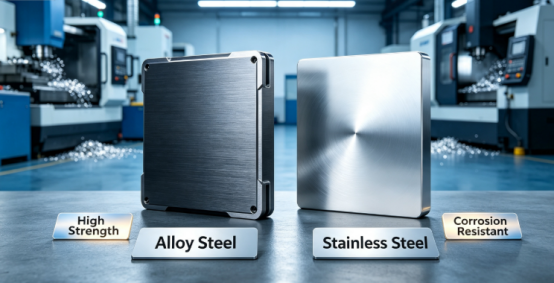
Alloy Steel vs Stainless Steel: Main Differences
Although both materials belong to the steel family, their performance characteristics make them suitable for different engineering requirements.
Chemical Composition
The biggest difference between alloy steel and stainless steel comes from their chemical composition.
Alloy steel is mainly developed to improve mechanical properties. Elements such as chromium, nickel, and molybdenum are added to increase strength, toughness, and resistance to wear.
Stainless steel, on the other hand, is designed primarily for corrosion protection. The higher chromium content creates a protective surface layer that reduces oxidation.
In practical manufacturing, engineers usually select alloy steel when strength and load-bearing capability are critical. Stainless steel is often chosen when environmental protection and long-term durability are more important.
Strength and Hardness
From a mechanical performance perspective, alloy steel often has higher strength and hardness than many stainless steel grades.
Through heat treatment processes such as quenching and tempering, alloy steel can achieve excellent tensile strength and wear resistance. This makes it suitable for components exposed to high pressure, repeated movement, and heavy mechanical loads.
For example, gears, transmission parts, and industrial shafts often require the strength characteristics provided by alloy steel.
Stainless steel also offers good mechanical properties, but its biggest advantage is the combination of strength and corrosion resistance. It is often selected for parts that need to maintain performance while exposed to moisture, chemicals, or frequent cleaning.
Corrosion Resistance
Corrosion resistance is the area where stainless steel has a clear advantage.
Alloy steel usually requires additional protection, such as coating, painting, or plating, when used in environments with moisture or corrosive substances.
Stainless steel naturally provides better corrosion resistance because of its chromium oxide layer. This makes it especially valuable in industries where reliability and cleanliness are essential.
For example, medical devices, food equipment, and marine components often use stainless steel because replacing corroded parts can lead to higher maintenance costs.
Machining Performance
From a CNC machining perspective, both materials have their own challenges.
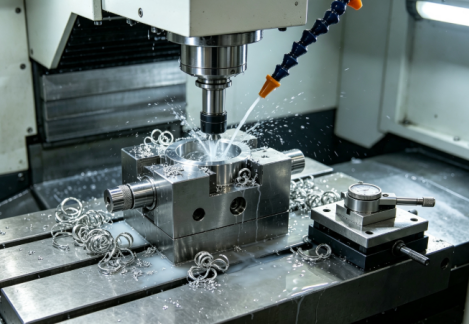
Alloy steel can be harder to machine because of its high strength and hardness. Proper cutting tools, machining parameters, and heat management are necessary to achieve accurate dimensions and good surface finishes.
Stainless steel can also be challenging during machining because some grades have strong work-hardening characteristics. If machining conditions are not properly controlled, tool wear and surface quality issues may occur.
However, with experienced CNC engineers and advanced equipment, both materials can be machined accurately for demanding applications.
Rapid Model provides CNC machining services for stainless steel, alloy steel, and various engineering materials. The company supports complex prototypes, low-volume production, and customized precision components with strict quality control processes.
Which Material Should You Choose?
The best choice between alloy steel and stainless steel depends on the actual working environment and product requirements.
Choose alloy steel when your project requires:
High mechanical strength
Excellent wear resistance
Heavy load capability
Heat treatment options
Cost-effective performance
Typical applications include automotive parts, industrial machinery components, gears, and structural parts.
Choose stainless steel when your project requires:
High corrosion resistance
Long service life
Easy maintenance
Clean appearance
Resistance to chemicals and moisture
Typical applications include medical components, food equipment, marine products, and precision industrial assemblies.
In some cases, both materials may meet the basic requirements. The final decision should consider not only material properties but also machining difficulty, surface treatment, production quantity, and total manufacturing cost.
CNC Machining Alloy Steel and Stainless Steel at Rapid Model
Material selection is only the first step toward successful manufacturing. The machining capability of the supplier is equally important.
Rapid Model is a Shenzhen-based precision manufacturing company specializing in CNC machining, sheet metal fabrication, 3D printing, injection molding, and customized production solutions. The company provides integrated manufacturing services from prototypes to production parts.
For metal machining projects, Rapid Model supports various materials including stainless steel grades such as 304 and 316, alloy steel, aluminum alloys, titanium alloys, and other engineering metals.
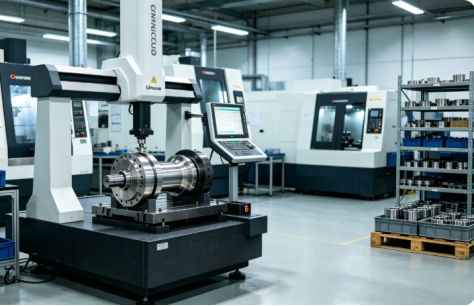
With experienced engineers, advanced CNC equipment, and professional inspection systems, Rapid Model helps customers transform CAD designs into reliable precision components.
Whether you need a strong alloy steel mechanical part or a corrosion-resistant stainless steel prototype, choosing the right manufacturing partner can significantly improve product quality and development efficiency.
Final Thoughts
Alloy steel and stainless steel are both important engineering materials, but they are designed for different purposes.
Alloy steel is usually the better option when strength, hardness, and mechanical performance are the main priorities. Stainless steel is the preferred choice when corrosion resistance, durability, and environmental protection are required.
Understanding these differences allows engineers to make better material decisions and avoid unnecessary manufacturing costs.
With professional CNC machining experience and comprehensive manufacturing capabilities, Rapid Model supports global customers in developing high-quality metal components from prototype validation to production manufacturing.