304 vs 316 stainless steel how to tell difference
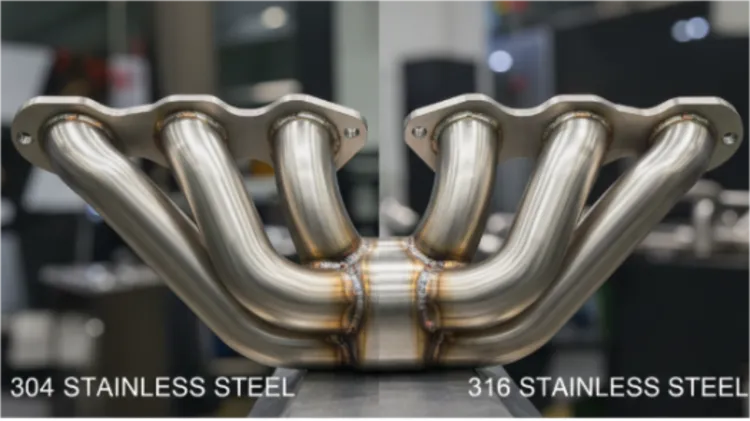
Selecting the correct material for precision engineering can mean the difference between a high performance product and a catastrophic operational failure. At Rapid-Model, our advanced CNC machining facility in Shenzhen regularly processes diverse grades of austenitic stainless steel for aerospace, medical device, and marine applications. Among the most frequently specified materials are Grade 304 and Grade 316. While these two metals look identical to the naked eye, their performance under environmental stress is vastly different. Understanding how to tell the difference between 304 and 316 stainless steel is essential for engineers, procurement specialists, and product designers worldwide.
The Chemical Foundations of Austenitic Alloys
To understand how to differentiate these metals, one must first look at their chemical composition. Both 304 and 316 stainless steel belong to the austenitic family, which means they possess a specific crystalline structure that provides excellent ductility and toughness. According to the American Iron and Steel Institute standards, Grade 304 typically contains eighteen percent chromium and eight percent nickel. This specific formulation provides robust oxidation resistance and excellent formability, making it the global standard for general industrial equipment and consumer goods.
In contrast, Grade 316 stainless steel introduces a crucial alloying element: molybdenum. Grade 316 contains sixteen percent chromium, ten percent nickel, and between two to three percent molybdenum. This addition of molybdenum fundamentally alters the microstructure of the metal, dramatically increasing its resistance to pitting and crevice corrosion in harsh chemical environments. At Rapid-Model, we recognize that this slight variation in chemical composition dictates how these materials behave during CNC milling, turning, and final operational deployment.
Why Visual Inspection Fails
A common misconception among product designers is that a visual or tactile inspection can reveal the material grade. This is entirely false. When machined under identical parameters using our high precision four axis and five axis CNC equipment at Rapid-Model, both 304 and 316 stainless steel yield an identical surface finish. They possess the same density, the same bright metallic luster, and the same grain structure under standard magnification. Because surface treatments such as passivating, electropolishing, or bead blasting affect both alloys identically, visual verification is impossible.
Professional and Industrial Verification Methods
Because physical appearance is deceptive, engineers rely on validated scientific methods to differentiate between the two grades. The following techniques are the industry standards utilized by certified testing laboratories and advanced manufacturing facilities like Rapid-Model.
Chemical Spot Testing via Molybdenum Reagents
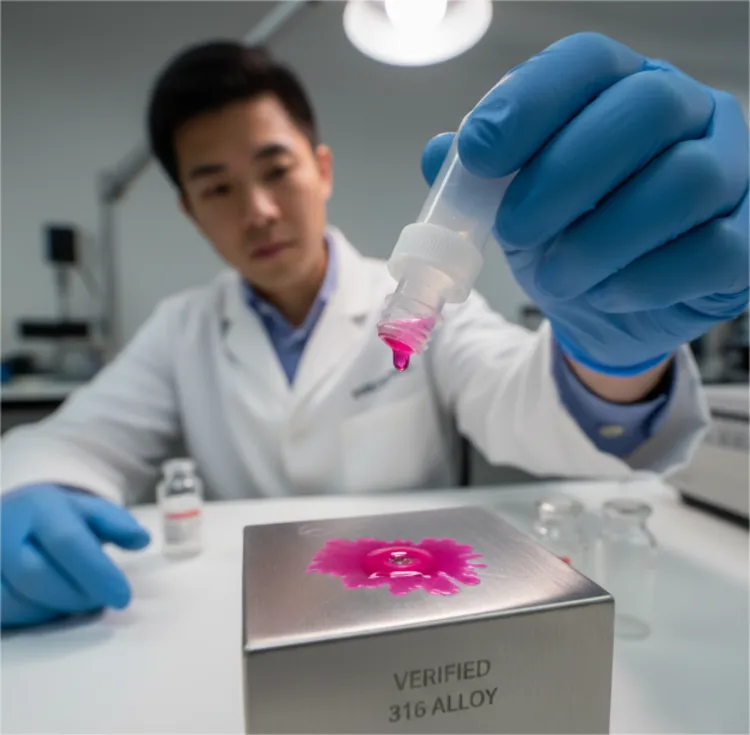
For a rapid and cost effective field test, a chemical spot test is highly reliable. This method involves applying a drop of a specialized acid solution containing potassium thiocyanate or similar reagents directly onto the clean, bare metal surface. Because Grade 316 contains molybdenum, the chemical reaction causes the fluid to turn a distinct pink or reddish color within a few minutes. Grade 304, which lacks molybdenum entirely, will show no color change. This non destructive test is highly effective for rapid material sorting on the factory floor.
Handheld X Ray Fluorescence Spectroscopy

When absolute certainty is required without damaging the component, X Ray Fluorescence spectroscopy is the gold standard. Handheld X Ray Fluorescence analyzers emit a localized beam of X rays into the metal, exciting the atoms within the alloy. As the atoms return to their ground state, they emit secondary X rays characteristic of each specific element present. Within seconds, the analyzer provides a complete quantitative breakdown of the chromium, nickel, and molybdenum content. Rapid-Model utilizes these advanced analytical tools to guarantee material certification for all medical and aerospace contracts.
Optical Emission Spectroscopy
For laboratory verification requiring the highest level of regulatory documentation, Optical Emission Spectroscopy is used. This process involves striking an electrical spark or arc against the stainless steel surface, vaporizing a microscopic amount of the material. The light emitted from the plasma arc is analyzed through a spectrometer. Since every element produces a distinct optical spectrum, this machine calculates the precise chemical breakdown, including low levels of carbon, with extreme accuracy.
Machining and Performance Differences
Beyond chemical testing, experienced machinists can often detect subtle differences during the manufacturing process. Stainless steel is inherently challenging to machine due to its high work hardening rate and poor thermal conductivity. When cutting these metals at our Shenzhen facility, our engineering partners note that Grade 316 exhibits higher hot hardness and greater resistance to thermal deformation than Grade 304.
Consequently, CNC machining parameters must be adjusted. Machining Grade 316 typically requires lower cutting speeds, heavier feed rates, and highly robust cutting tools to prevent built up edge and premature tool wear. A machinist might notice that the chips generated from Grade 316 are slightly tougher to break compared to those from Grade 304.
From an operational standpoint, the choice between these materials depends on the environment. Grade 304 is ideal for kitchen equipment, structural architectural components, and electronic enclosures. However, if the component will be exposed to marine environments, chlorides, industrial solvents, or bodily fluids within medical devices, Grade 316 is mandatory. The molybdenum in Grade 316 thwarts chloride pitting, preventing premature structural failure.
Partnering with Rapid-Model for Material Integrity
Navigating material selection and verification requires a manufacturing partner with rigorous quality control systems. Rapid-Model holds multiple international quality certifications, including International Organization for Standardization 9001 for general manufacturing and International Organization for Standardization 13485 for medical device manufacturing. Our engineering facility in Shenzhen provides comprehensive material test reports and full inspection documentation with every production run.
Whether your project demands the versatile cost efficiency of Grade 304 or the extreme corrosion resistance of Grade 316, Rapid-Model ensures that your components are machined to exact tolerances down to five micrometers. By maintaining a strict supply chain and employing advanced verification methods, we guarantee that the material specified in your design files is precisely the material delivered in your finished product. For detailed technical consultations or to secure a twenty four hour rapid quote, global product teams can connect directly with our English speaking engineering support team through our official corporate portal at www.rapid-model.com.