The IATF 16949 Compliance Guide for Automotive Aluminum CNC Parts Production
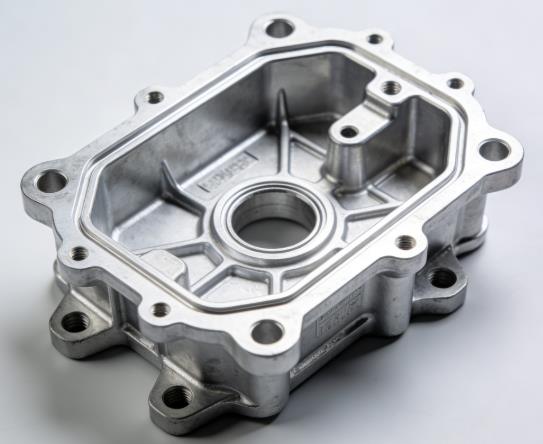
Driven by the trend of automotive lightweighting, aluminum alloy CNC parts are widely used in critical areas such as body structure, chassis systems, powertrains, and electronic component supports due to their high strength, excellent machinability, and lightweight advantages. However, the production of aluminum parts involves complex multi-disciplinary manufacturing processes, posing numerous quality control bottlenecks. Meanwhile, the implementation of the globally unified automotive quality management standard, IATF 16949, becomes key to ensuring part quality, risk control, and supply chain stability.
This article starts from quality control bottlenecks, systematically interpreting the IATF 16949 compliance requirements, core practices, and advancement strategies in automotive aluminum CNC parts manufacturing, helping enterprises achieve high-quality production and enhance supply chain competitiveness.
1. Quality Control Bottlenecks in CNC Aluminum Parts Production
1.1 Manufacturing Complexity across Multiple Disciplines
The production of aluminum alloy CNC parts involves materials science, machining processes, process control, surface treatment, and more. Each link could be a potential quality risk point. For example, in aluminum alloy wheel manufacturing, surface polishing quality directly affects electroplating finish, accounting for over 70% of the overall appearance quality. Traditional manual polishing depends heavily on workers’ experience, making consistency hard to guarantee. CNC mechanical polishing is gradually replacing manual polishing to improve stability.
1.2 Difficulties in Process Parameters and Control
- Quantification of process parameters: The relationship among cutting parameters, material removal depth, and surface roughness in aluminum alloy machining is complex and lacks precise predictive models.
- Complex surface toolpath planning: High-precision parts usually have complex surfaces requiring toolpath planning that balances machining efficiency and surface quality.
- Detection of hidden defects: Micro-cracks, pores, and incomplete fusion in aluminum metal matrix composites are difficult to detect with the naked eye, and traditional inspection methods cannot fully guarantee internal quality.
1.3 System Audits and Quality Verification Pressure
Take Rapid Model as an example. Their supervisory audits cover not only aluminum profiles and machined parts but also welding and stamping manufacturing processes, ensuring continuous effective operation of the quality management system. This demonstrates the strictness and complexity of compliance.
2. Overview and Importance of the IATF 16949 System
2.1 What is IATF 16949?
IATF 16949 is an automotive quality management system standard developed by the International Automotive Task Force (IATF) based on ISO 9001. It emphasizes continuous improvement, defect prevention, and variation reduction, aiming to harmonize quality management throughout the global automotive supply chain and ensure all suppliers provide traceable, high-quality products.
Since its release in 2016, it has become the essential certification for suppliers to enter the supply chains of automotive OEMs and Tier 1 suppliers.
2.2 Why Must Automotive Aluminum CNC Suppliers Comply with IATF 16949?
- Supply chain access threshold: Almost all OEMs and Tier 1 suppliers require suppliers to have IATF 16949 certification, making it difficult for uncertified companies to gain business opportunities.
- Ensuring quality consistency: Aluminum parts production involves multiple high-precision processes; the standard ensures controlled processes and consistent products.
- Integration of customer-specific requirements: The standard guides enterprises to identify and fulfill Customer Specific Requirements (CSR), such as safety standards and surface treatments, improving product competitiveness.
3. Core Practices of IATF 16949 in Aluminum CNC Parts Manufacturing
3.1 Process Positioning and Quality Planning
Manufacturers must establish comprehensive quality management system documentation covering design, procurement, production, and final inspection, ensuring controlled and auditable processes.
Key practices include:
- Identifying Key Characteristics and monitoring process capability (Cp/Cpk).
- Using Statistical Process Control (SPC) and root cause analysis tools (e.g., 5W2H) to prevent defects.
- Implementing risk management and change control to enhance production flexibility.
3.2 Integration of Core Quality Tools
The standard recommends and integrates key tools:
- APQP (Advanced Product Quality Planning): Ensures quality stability from product definition to mass production.
- FMEA (Failure Mode and Effects Analysis): Identifies and prioritizes potential failure risks.
- PPAP (Production Part Approval Process): Provides documentation proving production capability.
- MSA (Measurement System Analysis) and SPC: Ensures stability of measurement and production processes.
These tools collectively enhance defect prevention, especially for parthigh-precision aluminums.
3.3 Performance Evaluation and Continuous Improvement
Organizations need to regularly evaluate the QMS performance through internal audits, customer satisfaction surveys, and process capability reports, leveraging CAPA (Corrective and Preventive Actions) to continuously improve management.
4. Practical Compliance Cases
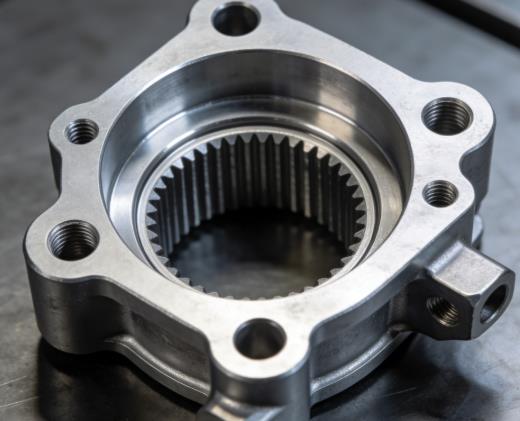
- Many manufacturers use advanced CNC equipment to achieve ±0.005 mm high precision.
- Coordinate Measuring Machines (CMM) are employed for full-process inspection and verification.
- Prior to mass production, suppliers submit comprehensive PPAP documents, including FMEA, control plans, and process capability analyses.
- Use of non-destructive testing technology to detect tiny defects early and avoid downstream risks.
These practices prove that IATF 16949 is not just a compliance certificate but a strategic asset for quality management improvement.
5. Challenges and Advancement Strategies
5.1 Challenges
- High system construction cost: Training, audits, and hiring quality engineers require significant investment.
- Insufficient digitalization: Many companies lack real-time data acquisition and Manufacturing Execution Systems (MES).
- Quality awareness promotion: Varying levels of understanding and execution among staff and management.
5.2 Advancement Strategies
- Implement information technology tools to automate CNC and inspection data collection, improving transparency.
- Conduct regular company-wide training and system drills to strengthen quality awareness.
- Cooperate with certification bodies for pre-audits to identify and address gaps early.
6. Conclusion
For automotive aluminum CNC parts manufacturers, IATF 16949 is not only a passport to automotive supply chains but also a cornerstone for achieving high quality, low cost, and high reliability. Only by deeply understanding and applying the standard’s requirements combined with advanced manufacturing and inspection technologies can enterprises remain competitive in the global automotive supply chain.
FAQ
- A1: The timeline varies depending on company size and existing system maturity, generally between 6 months to 1 year. Early planning and pre-audits can shorten the process.
- A2: Common defects include micro-cracks, pores, and incomplete fusion. Advanced non-destructive testing such as industrial CT scanning and thermal imaging can effectively detect these defects.
- A3: Replacing manual polishing with CNC mechanical polishing combined with process parameter monitoring and online inspection ensures stable and consistent surface quality.
- A4: SMEs can adopt modular MES systems step-by-step for data collection and analysis, supported by third-party consulting and certification guidance to gradually enhance digital capabilities.
- A5: Enterprises should thoroughly analyze customer contracts, establish dedicated process documents, and maintain regular communication with customers to ensure all CSRs are implemented and traceable.
Q1: How long does it usually take to complete IATF 16949 certification?
Q2: What are common micro-defects in aluminum parts and how are they detected?
Q3: How to ensure consistency in aluminum wheel surface polishing quality?
Q4: How can small and medium enterprises handle digital transformation challenges?
Q5: How to integrate Customer Specific Requirements (CSR) into the quality system?
References
- Wikipedia: IATF 16949
- AIAG Official: IATF 16949:2016 Quality Management Standard
- Intertek: IATF 16949 Automotive Quality Management
- TÜV SÜD Whitepaper: IATF 16949 Overview
- Rapid Model: Aluminum CNC Machining services