Aluminum 6061-T6: Benefits, Properties, and Applications
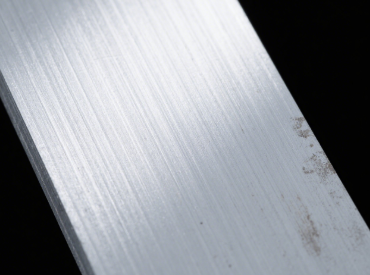
What is Aluminum 6061-T6?
Aluminum 6061-T6 is one of the most versatile and widely used aluminum alloys. It is part of the 6000-series family of alloys, which are primarily made of aluminum, magnesium, and silicon. The "T6" designation refers to a specific heat treatment process that enhances the material’s strength and hardness, making it ideal for a wide variety of applications.
Key Benefits of Aluminum 6061-T6
Aluminum 6061-T6 is highly prized for its excellent strength-to-weight ratio, corrosion resistance, and versatility. Here are some of its key benefits:
- High Strength: The T6 heat treatment significantly increases the strength of the material, making it ideal for structural applications.
- Lightweight: Despite its high strength, it remains lightweight, making it perfect for industries that require materials that don’t add excessive weight, such as aerospace and automotive.
- Corrosion Resistance: 6061-T6 is known for its excellent resistance to corrosion, especially in marine environments. This makes it suitable for use in harsh conditions.
- Machinability: It is easy to machine, making it ideal for custom fabrication processes.
Properties of Aluminum 6061-T6
Aluminum 6061-T6 has several key properties that make it ideal for high-performance applications:
- Yield Strength: 276 MPa (40 ksi)
- Ultimate Tensile Strength: 310 MPa (45 ksi)
- Elongation at Break: 12% in 2”
- Density: 2.70 g/cm³ (0.0975 lb/in³)
- Hardness (Brinell): 95 BHN
Common Applications of Aluminum 6061-T6
Aluminum 6061-T6 is used across various industries due to its superior properties. Some of the most common applications include:
- Aerospace: Used in aircraft parts, such as wings, fuselages, and control surfaces.
- Automotive: Employed in car frames, chassis components, and other parts that require lightweight yet strong materials.
- Marine: Often used for boat hulls and other marine structures, thanks to its resistance to corrosion.
- Construction: Used for structural frames, railings, and supports in both residential and commercial buildings.
- Medical Devices: Its biocompatibility and resistance to corrosion make it ideal for medical applications, such as surgical instruments and implants.
Why is Aluminum 6061-T6 a Top Choice for Engineers?
Engineers choose Aluminum 6061-T6 for its balance between strength, weight, and machinability. It's strong enough to meet the demands of high-stress applications while remaining lightweight. Additionally, it is easy to weld, which is critical in industries like aerospace, where precise and strong joints are necessary.
Another reason for its popularity is its excellent corrosion resistance. It performs well even in challenging environments, such as coastal areas where saltwater can quickly degrade other materials. The alloy’s ability to resist corrosion while maintaining structural integrity makes it a top choice in marine and industrial applications.
How to Work with Aluminum 6061-T6
Working with Aluminum 6061-T6 is relatively straightforward due to its excellent machinability. However, it’s important to follow the proper procedures when cutting, welding, or forming the material:
- Cutting and Machining: Aluminum 6061-T6 is easy to cut using standard tools such as saws, drills, and lathes. Carbide-tipped tools work best for machining.
- Welding: The material can be welded using TIG (Tungsten Inert Gas) and MIG (Metal Inert Gas) welding techniques. However, preheating the material to 250°F (121°C) before welding can help avoid distortion.
- Forming: Aluminum 6061-T6 is highly formable, especially when it is in the annealed state. It can be bent, stamped, or rolled with ease.
Aluminum 6061-T6 vs. Other Alloys
When comparing Aluminum 6061-T6 to other aluminum alloys, it’s clear why it is often the preferred choice:
- Compared to Aluminum 5052: While Aluminum 5052 has better corrosion resistance, it has a lower strength than 6061-T6. 6061-T6, therefore, excels in applications that require high strength and toughness.
- Compared to Aluminum 7075: Aluminum 7075 is stronger than 6061-T6 but less resistant to corrosion. It is often used in military and aerospace applications, while 6061-T6 is better suited for applications that require both strength and resistance to corrosion.
Conclusion: Why Choose Aluminum 6061-T6?
Aluminum 6061-T6 is a highly versatile material that balances strength, weight, corrosion resistance, and machinability. Its excellent mechanical properties and resistance to harsh environmental conditions make it an ideal choice for a wide range of industries, from aerospace and automotive to marine and construction.
Whether you're an engineer, designer, or manufacturer, Aluminum 6061-T6 is a material that can meet the demands of your most challenging projects. Its ability to withstand stress while remaining lightweight and easy to machine makes it a top contender in high-performance applications.