المواد غير المعدنية المستخدمة في التصنيع باستخدام الحاسب الآلي: دليل عملي
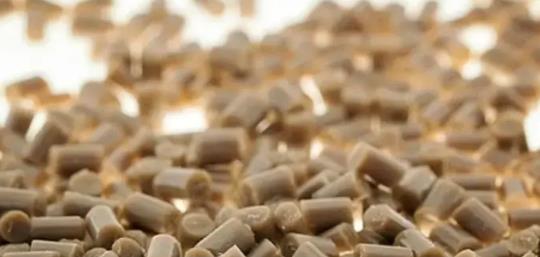
1. البلاستيك
الأنواع الشائعة: ABS، النايلون، البولي كربونات (PC)، ديلرين (الأكريليك)، PEEK
أجزاء المثال: التروس، الأغلفة، الصناديق، النماذج الأولية
طريقة التشغيل: الطحن، الخراطة، القطع بالليزر
المزايا الرئيسية:
- خفيف الوزن: مقارنةً بالمعدن، فإن البلاستيك أخف بكثير، مما يجعله مثاليًا للتطبيقات التي تتطلب خفض الوزن.
- عزل كهربائي جيد: مواد مثل ABS و Delrin هي عوازل كهربائية ممتازة، تُستخدم على نطاق واسع في صناعة الإلكترونيات.
- قابلية عالية للتشغيل: Plastics are easier to machine than metals and can be produced with fine details at lower cost.
- فعال من حيث التكلفة: Especially for prototyping, plastics are often more affordable than metals.
Application Example:
ABS: Common in prototypes for consumer goods or automotive components due to its balance of strength and ease of machining.
PEEK: Used in high-performance parts like medical devices or aerospace components, where heat resistance and strength are essential.
2. Composites
Common Types: Carbon Fiber Reinforced Polymer (CFRP), Glass Fiber Reinforced Polymer (GFRP), Aramid Fiber (Kevlar)
Example Parts: Aircraft parts, sports equipment, automotive panels
Machining Method: CNC milling, water jet cutting
المزايا الرئيسية:
- High Strength-to-Weight Ratio: Composites like CFRP are extremely strong while remaining lightweight, making them ideal for aerospace, automotive, and sports applications.
- المتانة: These materials are resistant to wear, corrosion, and chemicals, making them suitable for harsh environments.
- Customization: With composites, manufacturers can create parts with specific directional strength properties by altering fiber orientations.
Application Example:
CFRP (Carbon Fiber): Used in high-performance aerospace components and racing cars, where both strength and lightweight are crucial.
GFRP (Glass Fiber): Often used in boat hulls, and wind turbine blades due to its excellent durability and resistance to environmental damage.
3. Ceramics
Common Types: Aluminum Oxide (Al2O3), Silicon Nitride (Si3N4), Zirconia (ZrO2)
Example Parts: Wear-resistant components, insulators, cutting tools
Machining Method: Specialized diamond tooling for milling, grinding, and turning
المزايا الرئيسية:
- Exceptional Hardness: Ceramics are among the hardest materials available, making them perfect for applications requiring wear resistance.
- High Thermal Stability: Ceramics maintain their properties at high temperatures, often used in high-temperature environments such as engines or turbines.
- Electrical Insulation: Many ceramics are also excellent insulators, making them essential in electronic components.
Application Example:
Aluminum Oxide (Al2O3): Used in cutting tools and insulators due to its wear resistance and electrical insulating properties.
Silicon Nitride: Used in high-performance ball bearings and turbine blades due to its excellent thermal stability and low density.
4. Rubber & Elastomers
Common Types: Silicone Rubber, EPDM, Nitrile Rubber (NBR), Viton
Example Parts: Seals, gaskets, vibration dampers
Machining Method: Cutting, molding, CNC machining for specific shapes
المزايا الرئيسية:
- Flexibility and Durability: Rubber is known for its ability to flex under load without permanently deforming. This makes it ideal for seals, gaskets, and shock absorbers.
- المقاومة الكيميائية: Materials like Viton offer excellent resistance to harsh chemicals and are commonly used in sealing applications for the chemical industry.
- Low Friction: Elastomers are often used in applications where low friction is required.
Application Example:
Silicone Rubber: Common in food industry applications and medical devices, providing excellent flexibility and temperature resistance.
EPDM (Ethylene Propylene Diene Monomer): Used for gaskets and seals in automotive and HVAC systems.
5. Wood and Wood Composites
Common Types: Plywood, MDF (Medium Density Fiberboard), PVC Foam Board
Example Parts: Furniture, prototypes, decorative panels
Machining Method: CNC milling, laser cutting
المزايا الرئيسية:
- Aesthetic Appeal: Wood and wood-based composites offer a natural finish, making them ideal for furniture, cabinetry, and decorative panels.
- Easily Machinable: These materials are relatively easy to cut, carve, and shape, making them great for prototypes or custom designs.
- Sustainability: Wood and its composites are often renewable resources, offering eco-friendly alternatives to other materials.
Application Example:
MDF: Commonly used in furniture making and interior decoration due to its smooth surface that is ideal for painting and finishing.
Plywood: Often used for structural applications in construction and in making custom cabinetry.
6. Glass
Common Types: Soda-lime glass, Borosilicate glass, Laminated glass
Example Parts: Display screens, optical lenses, structural glazing
Machining Method: Laser cutting, grinding, polishing
المزايا الرئيسية:
- Transparency and Strength: Glass provides an aesthetic appeal with transparency, used for windows, screens, and lenses.
- Chemical Resistance: Glass is chemically inert, making it suitable for laboratory or medical applications.
- Brittleness: While strong under compression, glass is brittle under tension, so care must be taken during machining.
Application Example:
Borosilicate Glass: Used in laboratory equipment, such as beakers and test tubes, due to its high resistance to thermal shock.
Laminated Glass: Used in automotive windshields and architectural glazing for added strength and safety.
Non-Metallic Material Comparison Table
| المواد | Example Application | Key Advantage | Machining Method | Special Considerations |
|---|---|---|---|---|
| ABS | Prototype, casing | Easy to machine | CNC Milling, Turning | Low temperature resistance |
| Carbon Fiber | Aerospace, sports | High strength/weight ratio | طحن CNC | High tooling wear rate |
| Ceramics | Cutting tools, bearings | High hardness, thermal stability | Grinding, CNC Milling | Requires diamond tooling |
| Rubber | Seals, gaskets | Flexibility, chemical resistance | Molding, CNC Milling | Low stiffness, deformation |
| الخشب | Furniture, décor | Natural aesthetic | CNC Milling, Laser Cutting | Not durable in high stress |
| الزجاج | Optical components | Transparency, chemical resistance | Laser cutting, polishing | Brittle, requires care |
Why You Should Care About Non-Metallic Materials
كفاءة التكلفة: Non-metallic materials are often less expensive than metals, especially when considering prototyping and smaller production runs.
Customization: Many of these materials can be customized with specific additives or finishes to suit particular applications, enhancing functionality.
Environmentally Friendly: Wood, certain plastics, and rubber are more sustainable options compared to metals, offering an eco-friendly solution.
Choosing the right non-metallic material for CNC machining is a critical decision in product design and production. Each material, whether plastic, composite, or rubber, offers unique advantages depending on the specific needs of the application. From lightweight components like CFRP in aerospace to durable rubber gaskets in automotive, understanding material properties and machining requirements ensures optimal results for your projects.