CNC Hobbing (قطع التروس): دليل شامل
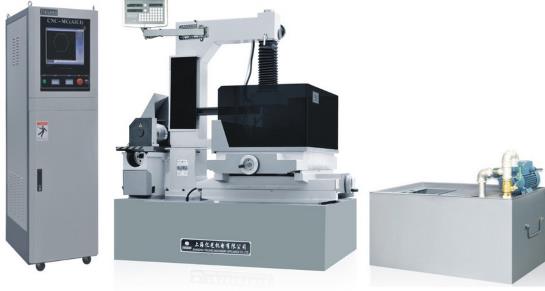
القطع بالكرشاف CNC، أو قطع التروس، هو عملية تصنيع دقيقة تُستخدم لصنع التروس والتروس الصغيرة وغيرها من المكونات المماثلة. هذه الطريقة تتضمن أداة تُسمى "الكرشاف" التي تُستخدم لقطع التروس على قطعة العمل، مما يخلق أسنانًا تتشابك مع التروس المقابلة. تُستخدم هذه الطريقة على نطاق واسع في الصناعات مثل السيارات والفضاء والتصنيع لإنتاج تروس عالية الدقة والأداء، والتي تعد جزءًا لا يتجزأ من العديد من الأنظمة الميكانيكية.
فهم قطع التروس باستخدام CNC
الطحن CNC هو جزء من عائلة أكبر من تقنيات تصنيع التروس، لكنه يبرز بفضل مرونته وسرعته وقدرته على إنتاج هندسة التروس المعقدة بدقة عالية. على عكس طرق قطع التروس التقليدية، يسمح الطحن CNC بالإنتاج الآلي وبنفس حجم كبير، مما يجعله الخيار المفضل لكل من الإنتاج الصغير والكبير.
الفوائد الرئيسية لقص المفاتيح باستخدام CNC:
- الدقة: تُقدّم آلات CNC دقة عالية مع تحملات ضيقة، مما يضمن توحيد أسنان التروس.
- الكفاءة: تقلل العملية الآلية من العمالة اليدوية وزيادة معدلات الإنتاج، وهو أمر بالغ الأهمية للتصنيع على نطاق واسع.
- المرونة: آلات القطع بالقصب CNC يمكنها التعامل مع أنواع مختلفة من التروس، بما في ذلك التروس المستقيمة والحلزونية والديدانية، اعتمادًا على متطلبات المشروع.
- فعال من حيث التكلفة: Compared to other gear manufacturing methods, CNC hobbing can be more economical for mass production due to its efficiency and automation.
Materials Used in CNC Hobbing
CNC hobbing is compatible with a wide variety of materials, each selected based on the specific gear requirements, including strength, durability, and wear resistance. The choice of material impacts the performance and longevity of the final product, so it’s crucial to select the right one for the intended application.
Here are some commonly used materials in CNC hobbing:
1. Steel Alloys
Common Types: 4140, 4340, 8620, 1018
Applications: Automotive gears, transmission systems, high-load components
Advantages: Steel alloys are known for their strength and ability to withstand high pressures and temperatures. They are ideal for gears that must endure high torque and stress.
Suitable Processing Method: CNC hobbing is highly effective for steel alloys, providing the necessary accuracy for high-performance gears.
Performance & Durability: Steel alloys are durable, resistant to wear, and maintain their shape even under high mechanical stress, making them ideal for heavy-duty applications.
2. الفولاذ المقاوم للصدأ
Common Types: 304, 316
Applications: Corrosion-resistant gears in industries such as food processing, medical, and marine.
Advantages: Stainless steel offers superior resistance to corrosion and oxidation, making it ideal for environments exposed to moisture and chemicals.
Suitable Processing Method: CNC hobbing provides excellent results when cutting stainless steel, offering the necessary precision for corrosion-resistant gear teeth.
Performance & Durability: Stainless steel’s high resistance to corrosion ensures the longevity of the gears, especially in harsh environments.
3. Cast Iron
Common Types: Grey Cast Iron, Ductile Cast Iron
Applications: Heavy machinery, automotive engines, industrial pumps
Advantages: Cast iron is easy to machine and offers excellent wear resistance, making it suitable for gears that operate in abrasive environments.
Suitable Processing Method: CNC hobbing works well with cast iron, allowing for the production of high-precision gears without compromising on material properties.
Performance & Durability: Cast iron gears are highly durable, especially in applications where shock and vibration resistance are necessary.
4. Aluminum Alloys
Common Types: 6061, 7075
Applications: Aerospace gears, lightweight machinery components
Advantages: Aluminum alloys are lightweight, making them ideal for applications that require reduced weight without compromising strength.
Suitable Processing Method: CNC hobbing is effective for aluminum alloys, providing precision while minimizing material waste.
Performance & Durability: Aluminum gears are less durable than steel or cast iron, but they offer an excellent balance between performance and weight reduction.
5. Brass and Bronze
Common Types: C36000, C93200
Applications: Gears for low-load, non-abrasive environments, such as in watches, motors, and instruments.
Advantages: Brass and bronze are both corrosion-resistant and offer good machinability, making them ideal for non-heavy-duty gear applications.
Suitable Processing Method: CNC hobbing can efficiently cut brass and bronze, ensuring high-quality gears with minimal waste.
Performance & Durability: These materials are less durable under heavy loads, but they offer superior performance in lighter, low-stress applications.
Key Considerations When Choosing Materials for CNC Hobbing
When selecting materials for CNC hobbing, several factors must be considered to ensure optimal gear performance:
- Load and Stress: Gears in heavy machinery require strong, durable materials like steel alloys, while lighter gears can use aluminum or brass.
- Corrosion Resistance: Gears used in environments prone to moisture or chemicals should be made from stainless steel or other corrosion-resistant materials.
- Weight: Lightweight materials such as aluminum are preferred in aerospace and automotive applications, where reducing overall weight is a priority.
- Cost: Budget considerations will influence material selection, as higher-end alloys like steel and stainless steel may increase production costs.
CNC hobbing (gear cutting) plays an essential role in manufacturing gears that are used in a wide array of industries. By choosing the right material and processing method, companies can ensure the production of durable, precise, and high-performance gears. Whether it’s for automotive transmissions, industrial machines, or aerospace applications, CNC hobbing remains a critical process that drives efficiency and innovation in gear manufacturing.