دليل عملي للمواد المعدنية CNC
دليل عملي للمواد المعدنية CNC
اختيار المعدن الصحيح أمر بالغ الأهمية لنجاح التشغيل الآلي بالتحكم الرقمي. يقارن هذا الدليل بين الألومنيوم، الفولاذ المقاوم للصدأ، التيتانيوم، النحاس، الفولاذ الكربوني، والسبائك الخاصة - بما في ذلك الخصائص، التطبيقات، واستراتيجيات التشغيل الآلي من قبل الخبراء.
سبيكات الألومنيوم
المستويات الشائعة: 6061-T6، 7075-T6، 2024
الأجزاء النموذجية: أذرع الطائرات بدون طيار، مجسات الحرارة، علب الإلكترونيات
طريقة التشغيل: الطحن عالي السرعة أو الخراطة
المزايا الرئيسية:
- خفيف الوزن (حوالي ثلث كثافة الفولاذ)
- قابلية ممتازة للتشغيل مع قوة قطع منخفضة ومعدل تغذية عالٍ
- موصلية حرارية وكهربائية جيدة
- Naturally corrosion-resistant, especially after anodizing
Aluminum is ideal for aerospace and robotics parts (like drone arms), electronic enclosures, or heat exchangers. 7075 offers higher strength (close to aerospace-grade), while 6061 is easier to machine and weld, making it suitable for prototypes or consumer products. Anodizing after machining improves corrosion resistance and surface finish.
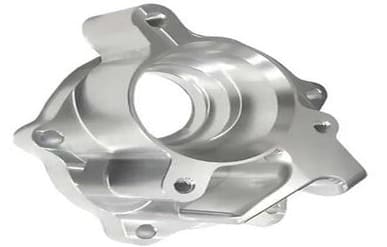
الفولاذ المقاوم للصدأ
Common Grades: 303, 304, 316, 416, 17-4PH
Typical Parts: Surgical instruments, valve bodies, food processing components
Machining Method: Low-speed turning or milling (with coolant); requires harder tools
المزايا الرئيسية:
- Excellent corrosion resistance
- High strength and fatigue resistance
303 contains sulfur to improve machinability, 316 contains molybdenum for marine environments, and 17-4PH can be heat-treated for higher strength.
For example, 316 stainless steel is used in chemical or marine valves and medical implants. 303 is suitable for small parts requiring fast machining. 17-4PH stainless steel needs careful machining but produces strong, fatigue-resistant components.
سبيكات التيتانيوم
Common Grades: Ti-6Al-4V, Ti-5Al-2.5Sn, β titanium alloys
Typical Parts: Aircraft structural fittings, orthopedic implants
Machining Method: Specialized cutting tools, lower speeds, coolant to manage heat
المزايا الرئيسية:
- High strength-to-weight ratio
- Excellent corrosion resistance and biocompatibility
- Suitable for high-temperature or medical applications
Ti-6Al-4V is widely used in aerospace brackets and hip implants due to its low density and fatigue resistance. Despite the higher cost, it performs exceptionally well. Machining requires slower feed rates and advanced cooling techniques to reduce tool wear.
Copper and Copper Alloys
Types: Pure copper (CU-ETP), brass (Cu-Zn), bronze
Typical Parts: Electrical connectors, heat exchanger plates, valve fittings
Machining Method: High-feed milling; watch for chip welding
المزايا الرئيسية:
- Excellent conductivity (thermal and electrical)
- Good machinability (especially brass) and surface finish
- Corrosion resistance after plating
Pure copper (CU-ETP) is used in connectors or motor windings; brass is popular for decorative or electrical parts. Since copper tends to stick to cutting tools, chip control and lubrication are crucial.
Carbon and Alloy Steel
Common Grades: Low carbon steel (1018, A36), alloy steel (4130, 4140), tool steel
Typical Parts: Gear shafts, structural brackets, automotive parts
Machining Method: Medium-speed milling/turning; heat-treatable
المزايا الرئيسية:
- High availability and cost-efficiency
- Excellent mechanical properties and weldability
- Can be heat-treated for increased wear resistance and strength
Low-carbon steel (1018/A36) is easy to machine and suitable for painted or plated fixtures and simple brackets. Alloy steels like 4140 can be heat-treated for use in gears, shafts, or high-stress parts.
Special Alloys (Magnesium, Zinc, Nickel-based)
Examples: AZ31 magnesium alloy, zinc die casting alloys, Inconel
Typical Parts: Lightweight housings, decorative panels, high-temperature nozzle components
Machining Method: Magnesium (flammable) requires care; high-temp alloys need coated tools
المزايا الرئيسية:
- Magnesium: ultra-light, good damping characteristics
- Zinc: low cost, high casting precision
- Nickel-based alloys (Inconel): excellent high-temp and corrosion resistance
AZ31 magnesium alloy is used in portable devices or drone bodies; zinc alloys are common in consumer hardware. Nickel-based alloys like Inconel or Hastelloy are used for high-temperature aerospace parts or chemical reactors.
Material Comparison Table
| المواد | Example Application | القوة | Corrosion & Temp | قابلية التصنيع | Processing Tips |
|---|---|---|---|---|---|
| 6061 Al | Drone arm, heatsink | معتدل | جيد | ممتازة | Use sharp carbide tooling, anodize |
| 7075 Al | Aerospace structural part | عالية | معتدل | Good, but tool‑sticky | Use coolant, avoid chip adhesion |
| 316 SS | Valve or implant | عالية | ممتازة | Fair (slow cuts) | Cooling and rigid setup |
| 303 SS | Nuts, fasteners | معتدل | جيد | Better machinability | Can run faster but limited corrosion |
| Ti‑6Al‑4V | Implant or aerospace fitting | عالية جداً | ممتازة | Poor (tool wear) | Use low feed, advanced cooling |
| CU‑ETP / Brass | Connector, decorative part | معتدل | جيد | Excellent (brass) | Use lubrication, chip control |
| 1018 / 4140 Steel | Bracket, gear shaft | Moderate–High | معتدل | جيد | Heat treat for wear or strength |
| Inconel (Ni) | Jet engine nozzle | عالية جداً | Excellent at heat | Difficult | Use coated tools at low feed |
Practical Tips from Machinists
Understand part requirements—strength, weight, corrosion resistance, and conductivity—before selecting materials.
Match material with surface treatment:
- Aluminum: anodizing
- Stainless steel: passivation/polishing
- Copper or steel: plating for durability
Tooling and machining strategy:
- Softer alloys (aluminum, brass) allow faster cutting speeds but produce sticky chips
- Harder materials (steel, titanium) require lower speeds, rigid setups, and coated carbide tools
Cost vs. performance:
- Aluminum and carbon steel offer the best value for standard industrial parts
- Stainless steel, titanium, and Inconel are premium choices for harsh or regulated environments
Choosing the right metal for CNC machining ensures that your parts meet performance, appearance, and cost requirements. Aluminum excels in lightweight, high-machinability uses. Stainless steel provides durability and corrosion resistance. Titanium alloys are top choices in aerospace and biomedical fields. Copper shines in conductivity-related applications. Steel serves as an economical structural material. Specialty alloys fulfill needs in extreme conditions. Always pair the material with appropriate machining strategy and finishing process to solve real-world engineering challenges effectively.
نموذج سريع is a CNC machining manufacturer with 15 years of industry experience. We thrive on competitive pricing and high product quality. If you're currently looking for a reliable partner, Rapid Model will not disappoint.